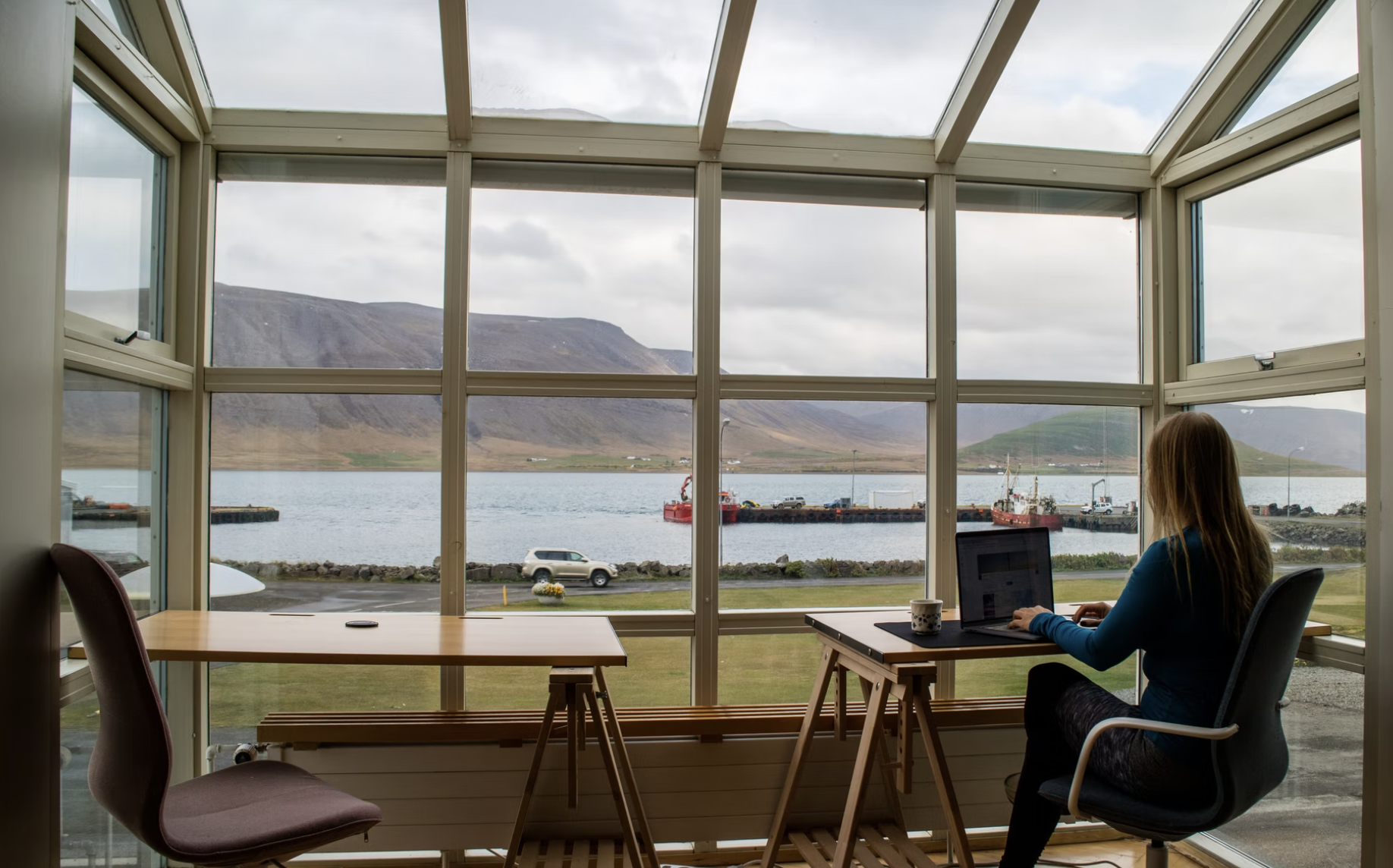
Jamie Styles, Director Of People & Culture, Koa Health, a digital mental healthcare provider, shares his thoughts on distributed working policies
“The future of work is looking increasingly global as businesses are hiring skilled workers no matter where they are based, leading to a distributed workforce. As such, HR leaders are rethinking what the future of work means for their organisation. Managing a distributed workforce is complex but there are a few ways HR leaders can optimise a healthy workplace.
Firstly, encourage teams to schedule regular catch-ups. In the era of distributed working, face-to-face contact has fallen by the wayside, so calls must be scheduled with enough flexibility to address workload and remove any blocks, while also encouraging relationship building and team engagement.
Secondly, collaboration tools that made remote work during the pandemic accessible can now support a multinational workforce. Alongside this, encourage collaboration and team agreement on ways of working. Take into consideration different time zones, individual commitments, as well as the communication channels that work best for a particular team. Often, teams will understand their best ways of working, but the process of discussion and collective agreement speaks to more innovative approaches, rather than a top-down mandate.
Thirdly, by providing a suite of comprehensive digital mental health solutions that cover a range of conditions and work for teams no matter where they are based, HR can help leaders mitigate the mental health impacts of a distributed workforce including loneliness and employee burnout caused by workload. Wellbeing is becoming a core part of any employers value proposition and a team with stronger mental wellbeing is more likely to have better morale, greater productivity, and reduced burnout, sick leave and staff turnover”.