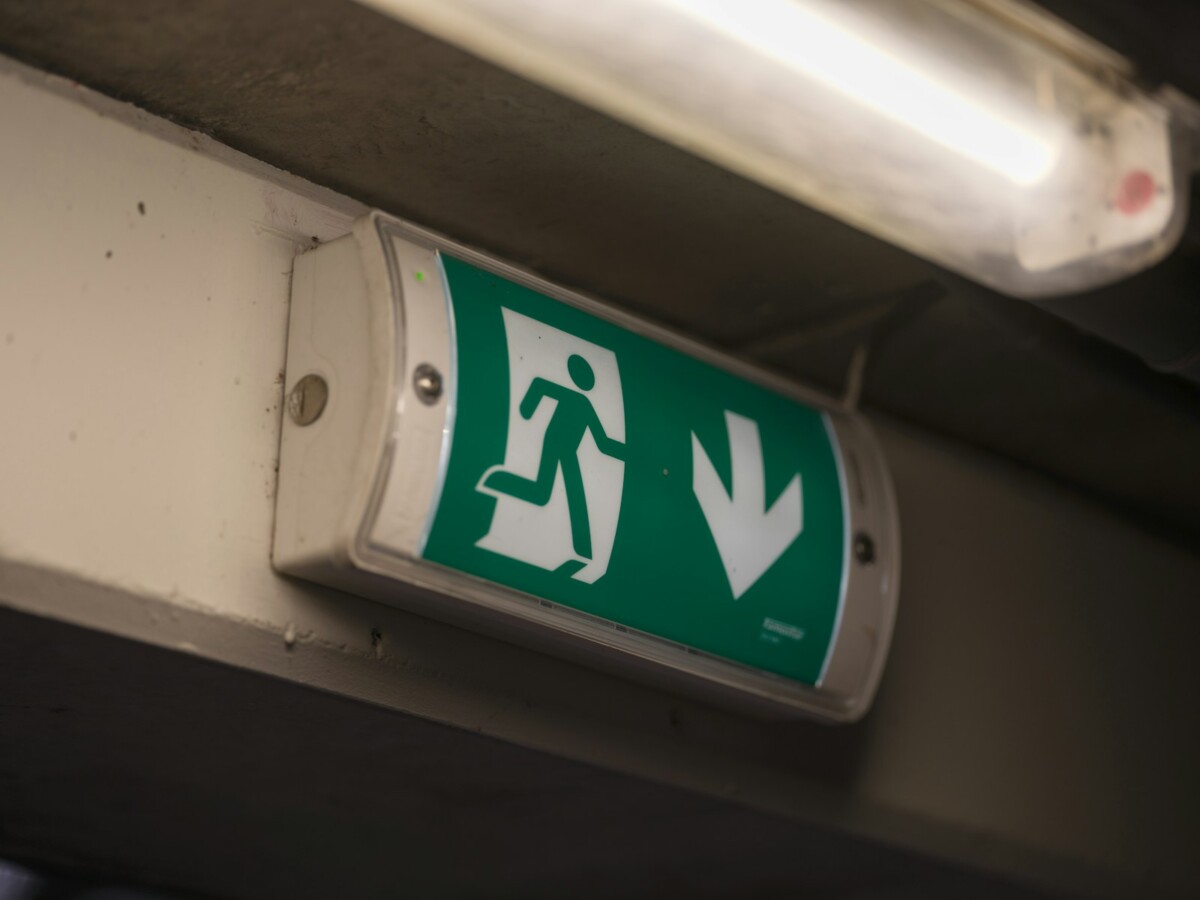
It’s easy to forget about the seemingly small details when you’re managing a business. Amid the whirlwind of daily operations, the safety of your premises often takes a backseat. But when the lights go out, emergency lighting becomes a lifeline.
Staying on top of the regulations surrounding helps you avoid hefty fines or worse. Regulations can seem complex, but breaking them down into manageable steps helps you stay compliant and, most importantly, safe.
Understanding the Legal Framework
UK law demands that businesses take all reasonable steps to ensure the safety of their employees and customers in case of a fire or power failure. Emergency lighting is part of this, with specific regulations set out in the Regulatory Reform (Fire Safety) Order 2005 and the British Standard BS 5266. These regulations state that emergency lighting systems must be provided in all premises where there is a significant risk to life in the event of an emergency.
If you’re running a business in the UK, understanding these laws is essential to ensuring your lighting setup is up to code. A good starting point is ensuring that you have the right emergency lighting in place to illuminate escape routes, signs, and any areas where people may be trapped or in danger. If you already use modern lighting like LED strip lights for aesthetics, it’s important to verify whether they meet the requirements for emergency lighting.
What Your Premises Must Have and Where
The regulations specify exactly where emergency lighting must be installed. You’re required to have lighting in escape routes, including corridors, stairwells, exits, and any room or space where people might be in danger if the lights went out. For example, kitchens, offices, or other areas that might house large numbers of people must all be covered.
Not all lighting is created equal, however. Your emergency lighting must be designed to stay on for a minimum of three hours in the event of a power failure. It must also be clearly visible, with no obstructions blocking the light. Additionally, escape route signage must be illuminated, ensuring that everyone can find the safest route out during an emergency.
Installation, Testing, and Maintenance Obligations
You must ensure it is correctly installed and regularly maintained to remain fully operational. Test every month to check that it’s functioning properly and do a more thorough annual inspection. It’s essential to appoint a responsible person within your business to handle these tasks and maintain a clear record of all tests and inspections.
Best-Practice Checklist
To avoid risks, make compliance a priority. Here’s a quick checklist to ensure your emergency lighting meets the latest regulations:
- Check that all escape routes, including stairs and corridors, are properly lit.
- Ensure that the lighting can function for at least three hours during a power failure.
- Regularly test and inspect your lighting system, keeping records of all maintenance.
- Clearly mark all exit signs and ensure they are illuminated.
- Train relevant staff on emergency lighting procedures.
Taking the time to ensure your business meets the legal requirements will protect your people and safeguard your business from the potential legal and financial consequences of non-compliance. After all, no business is worth risking the safety of its people.