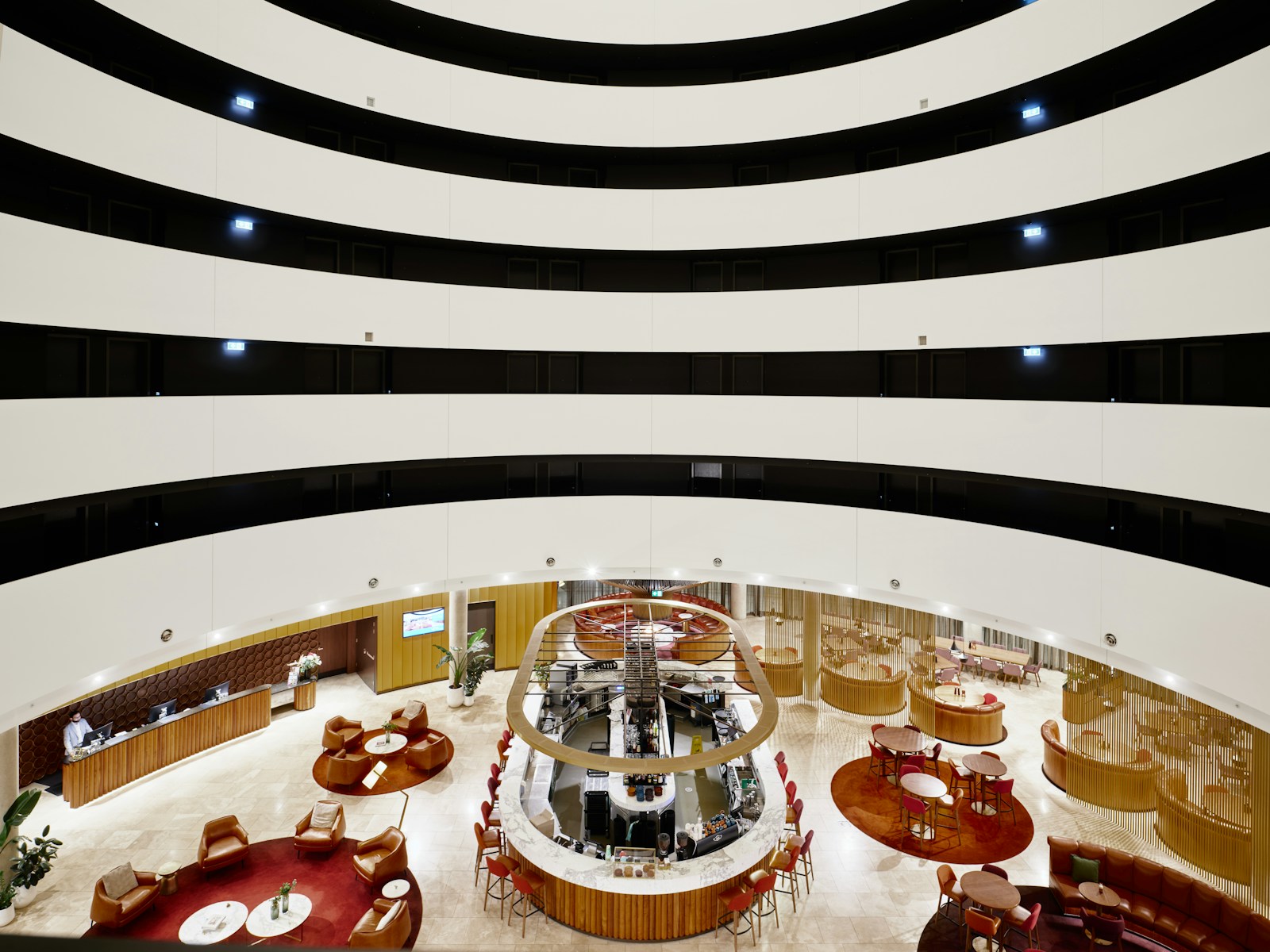
A well considered reception strongly influences how visitors perceive an organisation from the moment they enter. From job candidates and new starters to potential business partners, suppliers and long-standing clients, every visitor forms their first impressions almost instantly.
Research suggests that visitors form an impression of a space in as little as seven seconds, which means the reception area carries considerably more weight than many organisations realise.
Yet despite this, it remains one of the most commonly overlooked elements of workplace design, according to Daniel Southern, Managing Director at Luminati.
“A well designed reception helps visitors feel oriented, welcomed and confident. Those first few seconds shape the entire experience,” Southern explains.
Below, Southern outlines practical ways for organisations to ensure their reception leaves a positive and lasting impression.
Shape the space around the message you want to send
Some organisations want their reception to feel calm and understated, while others want it to feel energetic, creative or premium. Once this intention is clear, the design decisions become easier.
“Reception areas always work best when they project a clear identity. When the message is confused or cluttered, the whole space can lose impact,” according to Southern.
This clarity comes from being selective about what you keep in view. Reception areas often collect things that were never meant to be part of the design, and removing these competing elements instantly sharpens the space. One clear focal point, such as a welcome desk or a simple brand feature, helps visitors understand the room at a glance and creates a more intentional arrival experience.
Use lighting to shape the atmosphere
Lighting remains one of the most effective ways to transform a reception without having to make major structural changes. Receptions lit with warm, soft and layered lighting create a more welcoming atmosphere than those relying solely on bright overhead panels.
Warm light at eye level helps people feel comfortable as soon as they enter, while gentle accent lighting can draw attention to key areas such as the desk or display features.
“Good lighting can make a reception feel calm, balanced and intentionally designed,” Southern says. “Even modest adjustments can have a significant impact on how visitors experience the space.”
Make technology part of a smooth and simple welcome
When placed well, digital displays can help visitors find essential information quickly. Digital signage and touchscreen displays work particularly well for sharing wayfinding information, meeting updates or welcome messages.
Simple gestures such as greeting a candidate by name, welcoming a visiting company or displaying a tailored message for a partner meeting create a sense of care and professionalism.
According to Southern, this personal touch can have a greater impact than more costly design changes because it shows that visitors have been expected and considered.
“Personalised communication makes people feel valued before a conversation has even started,” he says. “It turns a functional screen into something that feels genuinely welcoming, and that can make all the difference.”
Keep branding consistent and current
Branding plays an important role in helping visitors understand the character of an organisation, and the most impressive receptions use fewer brand elements but ensure that they are consistent and up to date.
“It is better to show one strong message than multiple outdated ones,” Southern explains. “Current and cohesive branding makes a reception feel confident, and shows that the organisation takes pride in its identity.”
This might involve a single brand wall, a simple graphic or a curated display that reflects the company’s present identity rather than its history of marketing materials.
Design a seating area that feels purposeful
Reception seating does not need to be extensive, but it should feel intentional. Comfortable, uncluttered furniture that is arranged in a way that feels natural can help visitors settle in quickly.
Seating that is placed with a bit of thought can also support the flow of the space, gently guiding people to where they should wait without making the area feel rigid or formal. Small touches such as a defined seating zone or somewhere practical to put a bag or coat can make a noticeable difference.
“A purposeful seating area signals that visitors are genuinely welcome,” Southern says.
Use displays to tell a concise story
Reception displays can be highly effective when they communicate something meaningful in a clear and digestible way. Southern advises focusing on one narrative, whether that highlights achievements, sustainability, innovation or people. Displays should also be updated regularly so they feel relevant and aligned with the organisation’s present direction.
“A display does not need to be large to be effective,” he says. “It just needs to be clear, current and useful.”
Small changes that create a lasting impression
The most impressive reception areas succeed because they are calm, coherent and easy to navigate. They make people feel welcome and confident within moments of arriving.
“Visitors notice when a space feels considered,” Southern concludes. “If a reception is thoughtfully designed and maintained, that positive impression carries into every interaction that follows.”