Why this unwanted sequel could be worse than its origin story, and the planning actions HR should be looking at now…
We all know that sequels are normally worse than the original item. And this truism is rather worrying when we apply it to the potential for another cost-of-living crisis in the UK.
Four years on
The first inflation and interest rate spike of the decade came after Russia’s invasion of Ukraine in 2022. The wave of sanctions – and, in particular, the cost of fuel and fertilizer – that followed led to a huge impact on the UK economy. Four years later and inflation was finally receding in the rear-view mirror and interest rates were expected to drop across the remainder of 2026.
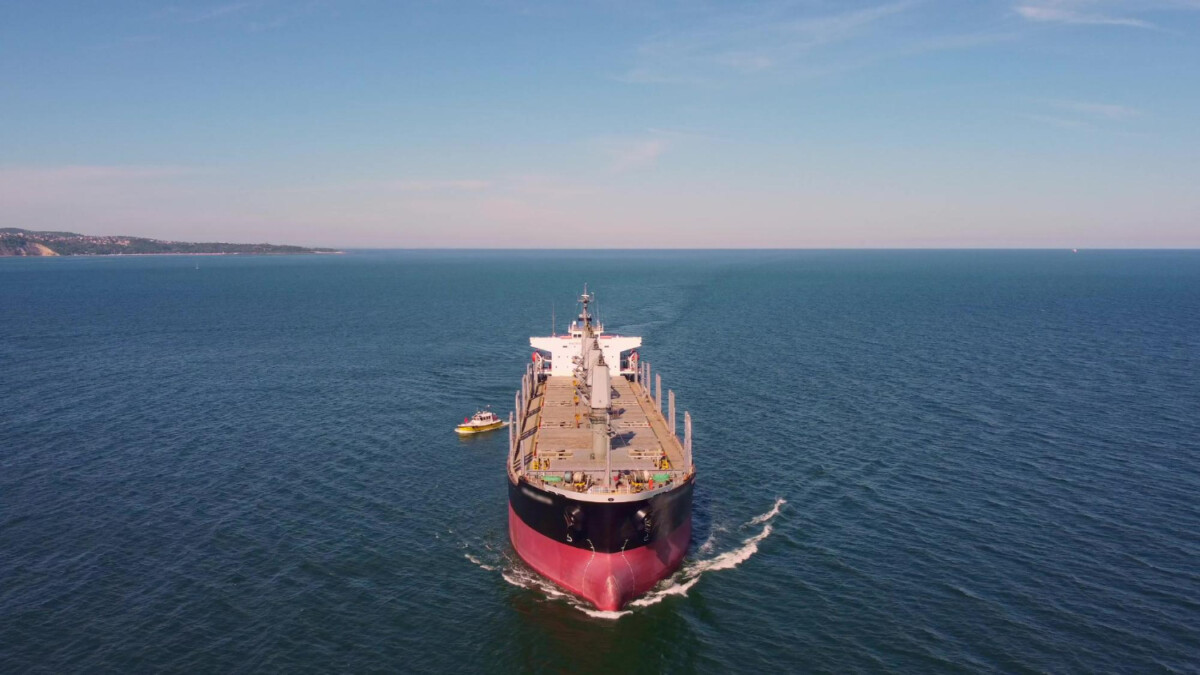
And then the sequel happened. President Trump’s “war” against Iran lacks definition or end point. It’s certainly true that Iran’s military power has been severely depleted. Yet Iran still poses enough of a threat (or at least potential threat) to effectively close the strategically and commercially important Strait of Hormuz. This matters, as the Strait see the flow of about 20% of world oil supplies, most of which isn’t going anywhere at the moment.
Even if some form of deal could be done to reopen the Strait of Hormuz, the oil and gas flow from the region will take at least 2 – 3 months to return to pre-war levels. And that timeline relies on the infrastructure of those industries being untouched by the war. If, as seems likely, war damage has to be repaired then it could take many more months or even years before the energy supply fully resumes from the Middle East.
The domino effect
The result? An immediate increase in the cost of energy and fertilizers once again. If this persists for much longer than a domino effect to other prices is inevitable.
For an energy crisis is an everything crisis. This point was illustrated nicely by Josh Roberts, the Capital Markets Correspondent for The Economist on BBC news last week. Mr Roberts simply said;
“As a rule of thumb every 10% increase in the price of oil sends inflation up by about 0.4%.
We have already seen oil prices rise by 50%.”
Even my rather hit and miss high school maths can do that calculation. If the oil price remains at 50% elevation, then we are looking at a full 2% on the price of everything else. And the real bugger here is that inflation breeds more inflation and it is difficult to slow or stop that particular death spiral when the reason for inflation is not monetary or fiscal policy but military action and supply shocks.
Worse than last time?
When coupled with the Russia/ Ukraine conflict this now poses a genuine threat to the energy usage of the UK. And this could be felt in both costs and supply.
The 2022 energy crisis resulted in a massive wave of government support for household fuel bills. Yet repeated state bailouts during both the pandemic and the 2022 crisis have left the UK exchequer with limited ability to support households or businesses in 2026.
And even if the financial constraints can be managed, it won’t solve the challenges of supply. Last week the International Energy Agency (IEA) made international headlines when they announced that the world was facing;
“the greatest global energy security threat in history”
Government is thought to be considering suitable responses for later this year, some of which might even echo those imposed in the 1970s including speed restrictions, limiting domestic use of electricity, and even a three-day working week.
Last, but certainly not least, will be the response from The Bank of England (BoE). The BoE has limited and inappropriate tools to combat a price spike of this nature. The default economic solution to inflation is to increase interest rates, but that won’t do much to change the underlying factors causing the price spikes, and will in fact hit household, business, and state borrowing incredibly hard at an already weak moment for the nation’s collective finances.
The Human Resources response?
All of which suggests that the sorrow-fest that is the 2020s shows little likelihood of improving in the near term.
The immediate challenge for Human Resources (HR) experts to consider is how they can best support the financial wellbeing of their employees through the financial challenges that may lay ahead. Any corporate response to this issue will be made more difficult given that businesses will also be facing the challenges of an inflation bubble for the second time this decade.
Yet at least HR experts have the benefit of recent experience to inform their response in 2026. Both the pandemic and the 2022 cost-of-living crisis will provide useful pointers at to how to mitigate the challenges to employee finances, and those lessons should form the cornerstone of advanced HR planning at this early stage.
Let us all hope that this planning won’t be needed. For this is one sequel that no one really wants to see.
About the author

Steve Herbert is Brand Ambassador for Occupational Health Assessment Limited and a veteran, award-winning, speaker and commentator on HR and Employee Benefit issues.