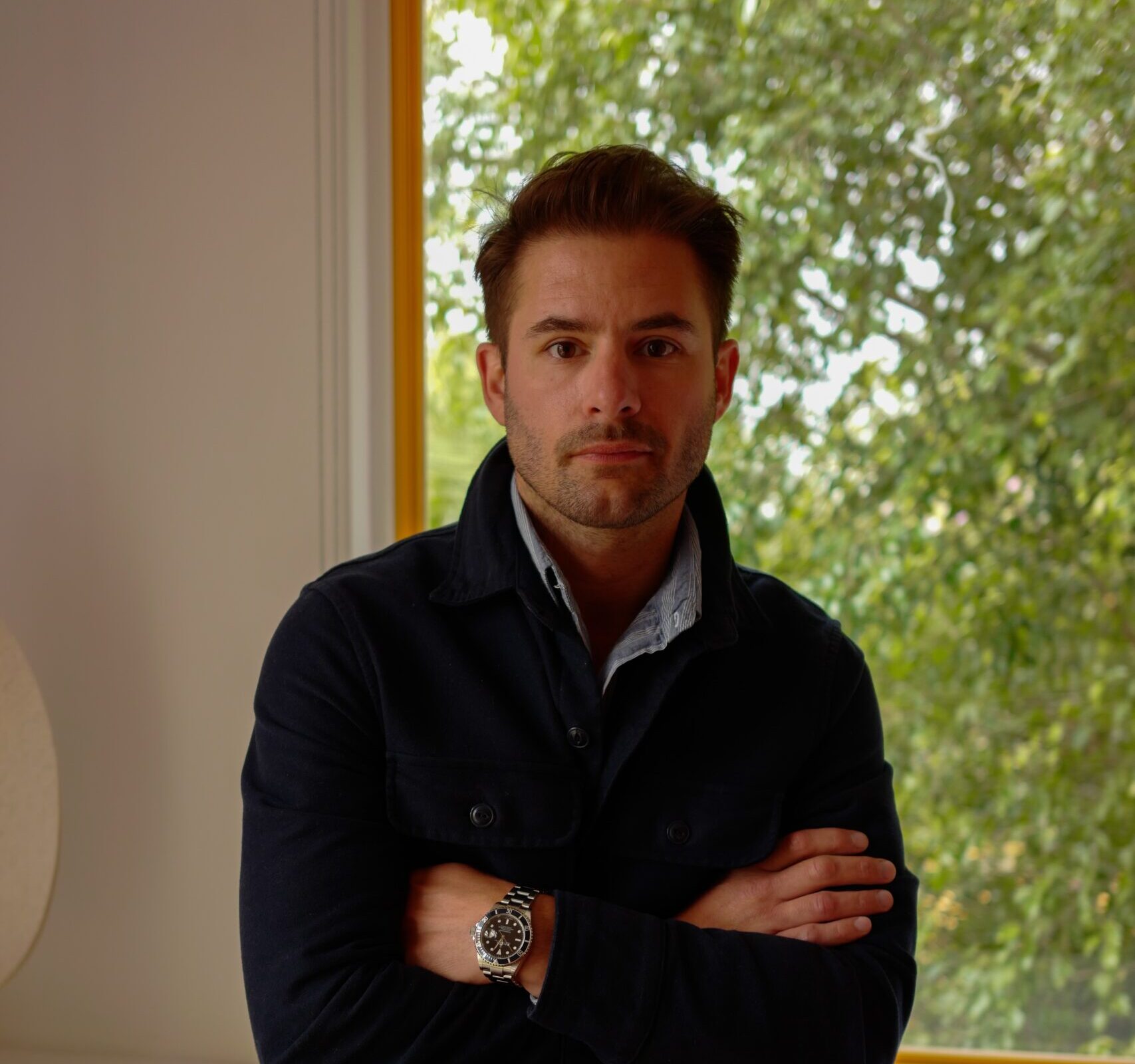
By Jamie Apostolou
Every few months, the same debate resurfaces. Remote versus hybrid. Hybrid versus office. Flexibility versus structure. Productivity versus presence. It’s a familiar cycle, and at this point, it’s getting tired. Because the real issue was never where people work. It’s where they’re being asked to return to.
Offices didn’t fail. Generic ones did. And the businesses now mandating a return to those same environments, without changing anything about them, are learning that lesson slowly and expensively.
For years, workplaces were designed around a simple assumption: if people show up, work happens. So, workplaces were designed for attendance, rather than output. Rows of desks, fluorescent lights, bland colours, and zero imagination. And for a long time, that was accepted. It didn’t work particularly well, but people showed up until they could clock off, and what was the alternative, anyway?
Then the world changed.
When remote work became the default during Covid, many businesses discovered something convenient, but awkward. Productivity didn’t collapse. In many cases, it actually improved. People focused better, managed their time differently, and the friction of commuting and constant interruption was removed.
So, when companies began asking employees to return, many people asked: “Why?”
Fair enough, that’s understandable. But the real question should have been, “What am I coming back to?” And the answer was usually, “More of the same.”
A well-designed office and a poorly designed one are not variations of the same thing. As such, they produce entirely different outcomes.
Generic offices undermine everything businesses claim to value. Creativity, collaboration, and engagement don’t thrive. There’s a particular absurdity that’s become routine in offices across every industry: people commuting in, sitting down, and spending the next four hours on video calls with colleagues who didn’t. The whole premise of being in the office evaporates. There’s no spontaneous conversation or shared energy. The kind of thinking that happens between meetings rather than inside them disappears. Every interaction feels slightly forced; people do what they must, and no more. They’re physically present, but mentally elsewhere. Working, but not innovating. And that matters. Because it’s the informal, unstructured interactions that happen without intention that inspire genius. And generic workspaces rarely produce those moments.
And that’s why environment quality is becoming more of a talking point.
The problem is that there’s also a generational dimension to this. While older workers, who experienced the traditional office first-hand, know what they’re missing. Those who have come into the workplace post-Covid don’t miss what they never had. It’s down to leadership to sell the benefits and create the experiences that change perceptions.
Work flexibility is now an expectation rather than a perk. Employees are making more deliberate choices about where they spend their time. If an office doesn’t offer something meaningfully better than working from home, it becomes optional at best, a deterrent at worst. And the best organisations are starting to recognise this, and are trying to create environments that make employees want to be there.
Appealing spaces with natural light. A range of layouts, with areas designed for different types of work. Places where people can move between deliberate focus and team collaboration without effort or resistance. Environments that feel considered and intentional, created to answer their needs. And spaces designed for interaction.
Shared kitchens, open lounges, event spaces, and informal meeting points are deliberate, strategic and behavioural choices. Intended to create opportunities for people to mix, chat, share ideas, and build relationships naturally.
And they work, because true company culture doesn’t exist in mission statements, but in the spaces people use every day. The layout of a room can encourage conversation or discourage it. The positioning of a table can determine whether people stop or keep walking. Even lighting can influence how long someone stays in a space and how they feel while they’re there.
It’s the small details that shape behaviour, often without people realising it. And the next generation of offices will need to take this seriously.
Second Home has spent a decade testing this across London and Lisbon. The buildings are organised around movement and planting rather than desk count, and the members are drawn from enough different industries that the kitchen conversations go somewhere. Neither of those things is an amenity you can add later.
Offices need to justify their existence in a way they never had to before. They have to make the expense of prime real estate worthwhile. That means creating the opportunity for experiences that can’t be replicated remotely. Natural collaboration. Environments that support more than one way of thinking and working. Because that’s where real teamwork, real innovation, real imagination, and real progress happen.
So, with that in mind, it’s time that we all understood that the office isn’t obsolete. But the era of the generic workplace is.
And it’s not coming back.
Jamie Apostolou is CEO of Second Home, with two decades of experience working at the intersection of creativity, design, and business across the US, UK, and Europe. His work centres on building design-led creative workspaces in London and Lisbon, and on shaping environments where architecture, culture, and community influence how people work and connect. Drawing on a broader career leading creative teams and businesses, he focuses on the role of space, design, and cultural relevance in driving creativity, community, and long-term business success.