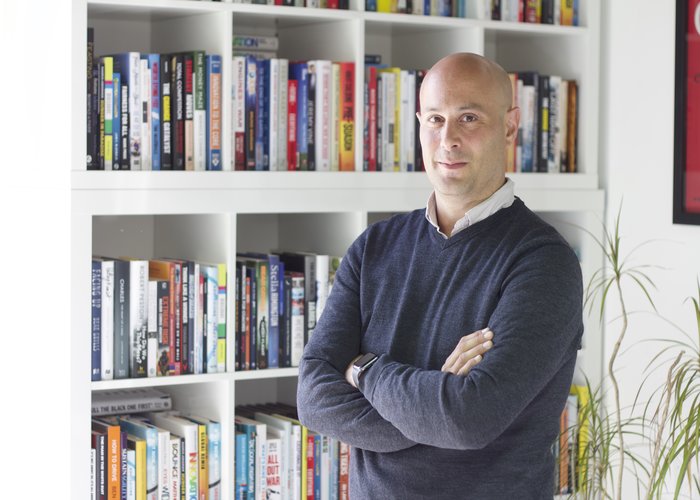
Nick Gold, MD of Speakers Corner, considers the need to plan for a possible recession in order to survive it.
All the indicators are that the UK will be heading into a deep and painful recession come the Autumn. How bad, and indeed for how long, are the unknowns, but businesses need to use this time to start to look ahead and plan for the future. But how can a business plan when the future is uncertain?
Fast paced change and the next phase
Business leaders have been put through a rollercoaster with so much fast paced change in little time, leaving them with little space to draw breathe. We usually spend this time of year planning and strategizing, followed by execution and delivery yet the pandemic has changed everything. Overnight individuals and businesses had to adapt to a brand-new environment and it’s only been in the last few weeks where we’ve been able to pause for breath and consider what comes next.
Having navigated the beginning of Covid-19, we are now coming to the next phase. Businesses are looking forward, evaluating where they are now as we co-exist with the pandemic and are casting eyes forward to the oncoming deep and prolonged recession. There is an aura of a calm before the storm where the business world has accepted both the inevitability of the recession alongside the unknown nature of what comes next as a society.
The end of certainty
Yet as we start to look forward it is clear that long term planning with a degree of certainty no longer exists. Taking its place is short-term planning alongside the long-term vision is core to this changing world. This methodology, the combination of vision alongside immediate action, is a neat summary of the state of play that exists in the world of an entrepreneur.
Entrepreneurship is not an act of starting a company, running a ‘start up’ or of having an idea. Entrepreneurship is a state of mind. It is way of being. It is about having clarity of vision while rolling up your sleeves and getting involved in everything. Entrepreneurship culture is a shared purpose; it both liberates individuals while binding them emotionally to the vision of the company.
Entrepreneurship is also the honesty of leaders to admit they are not in a position to preordain the path forward, but they stand beside their colleagues to try and navigate together the way forward. Successes are celebrated together, and failures are seen as learning paths and critical to ensure the successes can be celebrated.
The importance of engaging employees
The optimism of an entrepreneurial culture is something that every leader needs to embrace and encourage as we move forward with the unsettled horizon. They need to understand that their business is going to rely on their employees to be engaged, to be fearless and to be agile as they understand the changing needs of the customer, the changing landscape of the market and the possibilities for the business. The leaders need to deliver vision, support and encouragement to underpin thoughts, ideas and actions of their team.
But these cannot just be words that the business and the leaders within it deliver, it must be more. Employees need to feel part of the business, they need to be engaged in the ups and downs of the path forward. Employees need to be valued and rewarded for both the successes and for the learnings, they need to be given personal fulfilment and satisfaction beyond the business.
Returning to a sense of security and creating incentives
Businesses must come to realise that at the beginning and during the pandemic employees are naturally engaged with ensuring the success of the business, but this state alters.
Employees will settle and return to a sense of security that the business is moving forward and they will be seeking personal satisfaction and reward. A business that understands this and puts in place incentives and rewards for individuals (and the team collectively) to celebrate success and professional development is ensuring that the desired entrepreneurial culture has been cultivated and is now embedded deeply both in the business, but also the individuals within it.
It is worth remembering that a recession can bring opportunity and success. But it won’t be achieved by reverting back to type. By achieving this entrepreneurial culture alongside the entrepreneurial rewards that accompany a successful business, business leaders have built a platform for any business to survive and thrive through the forthcoming weeks, months and years.