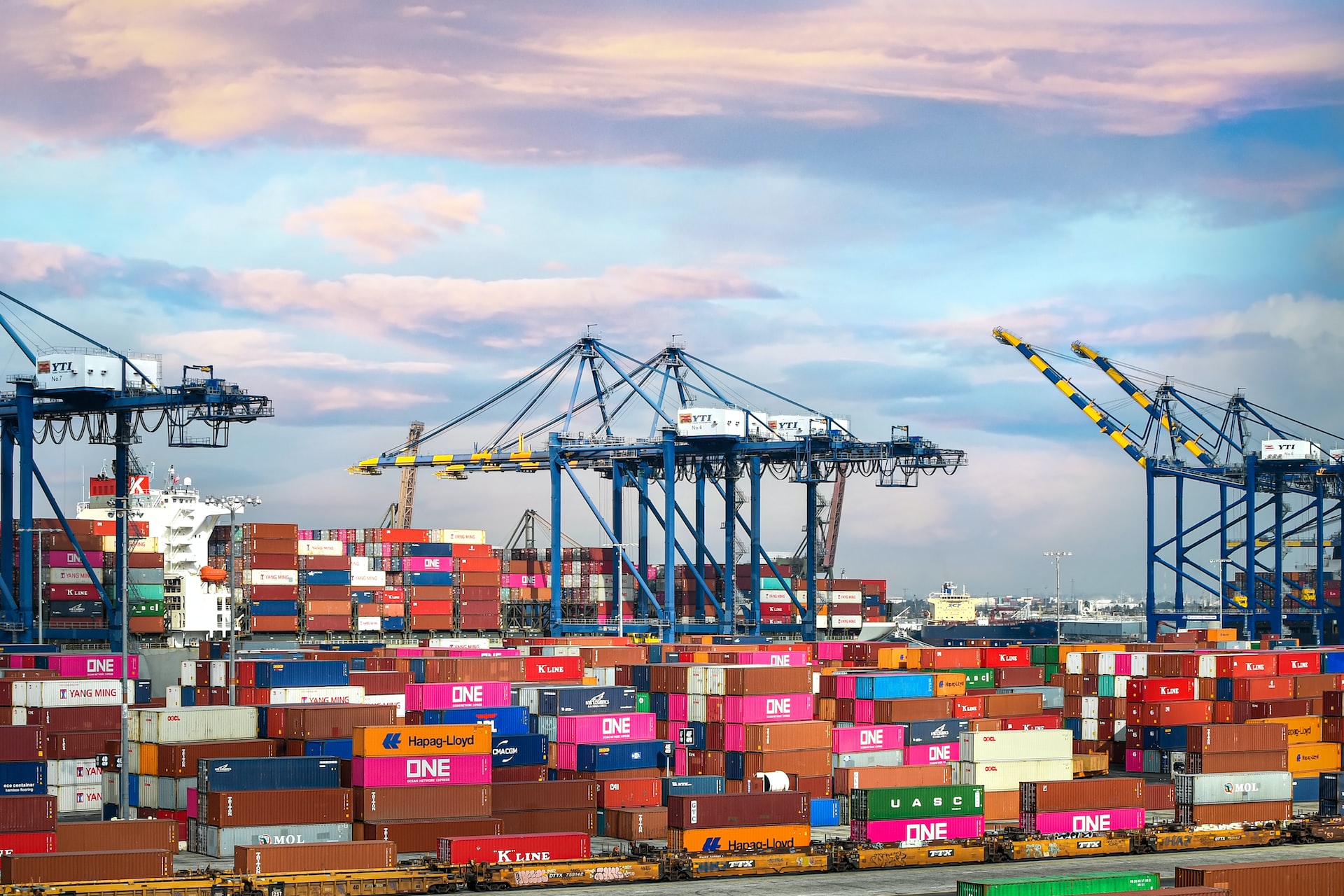
Supply chain issues was a top story at the height of the pandemic in 2020, but across the globe, issues with the supply chain continue even if they are not as severe or widespread as they were in 2020 and 2021. Consumers felt the pinch as everything from COVID-19 to war in Ukraine and even inclement weather slowed delivery of goods and created a cascading effect, leading to many shortages.
Fleet Management
Individual businesses may be able to address these shortages to some extent by ensuring that their fleet is as productive as possible. One element of this is purchasing the right vehicles to deliver the necessary performance. It’s important for fleet owners to carefully review vehicle specs and take other steps to make sure they have made the right selection in building a commercial vehicle fleet.
In addition to maintaining their own fleet, some companies may want to lease vehicles and hire temporary drivers for times when there is a surge. This can keep them agile and better able to respond to fast-changing conditions. In general, fleet managers need to be proactive and forward-thinking, anticipating vehicle and equipment shortages and making room in their budgets for inflation.
This can give them the flexibility to continue purchasing even as costs rise. Ultimately, however, this is not an issue that can be solved by individual businesses, fleet managers or drivers alone. The supply chain issue is complex and varied around the world and is caused by several different factors.
Medicine
One of the most alarming areas where these issues continue is in the medical field. Supply managers at hospitals are often forced to make do with existing stock, but this creates an additional burden for the staff, who may be dealing with insufficient personal protective equipment, material needed for routine blood testing, drugs, medical devices and much more.
Hospitals, doctors’ offices and other medical facilities are not dealing with the most extreme shortages that they faced in 2020, but there are still substantial challenges for medical providers, who must avoid compromising patient safety. Specific shortages include Adderall, amoxicillin, certain types of blood bags, tracheostomy tubes, and more.
Equipment
From planes to snow plows and more, shortages are causing various transportation delays. In Hawaii, residents flying between islands often face long delays and cancellations because airlines cannot get the parts they need to keep their planes in good working order. While this is not yet affecting Hawaiian Airlines flights, smaller regional airlines that hop between islands have been suffering.
Meanwhile, in Anchorage, Alaska, as winter closes in, the snowplow fleet has been delayed for several reasons including supply chain issues. Early snowfall and a labor shortage have exacerbated the issues, which city leaders say they were not informed about until late November.
Worldwide Issues Continue
Worldwide, problems persist. In the United Kingdom, billions of dollars in goods are sitting in warehouses because of disruption in the supply chain. These goods are unfinished items that are waiting on additional shipments in order to complete them. For example, many of them are food items that are delayed while waiting for additional ingredients to arrive.
The worst issue is in the steel and metals industry. The war in Ukraine and the country’s departure from the European Union are among the causes of these delays, but other countries are also facing serious issues. In China, a COVID surge is keeping workers at home, and this is likely to result in delays in manufacturing goods throughout the country. This will probably have a knock-on effect since so many countries are dependent on China for components of their own products.