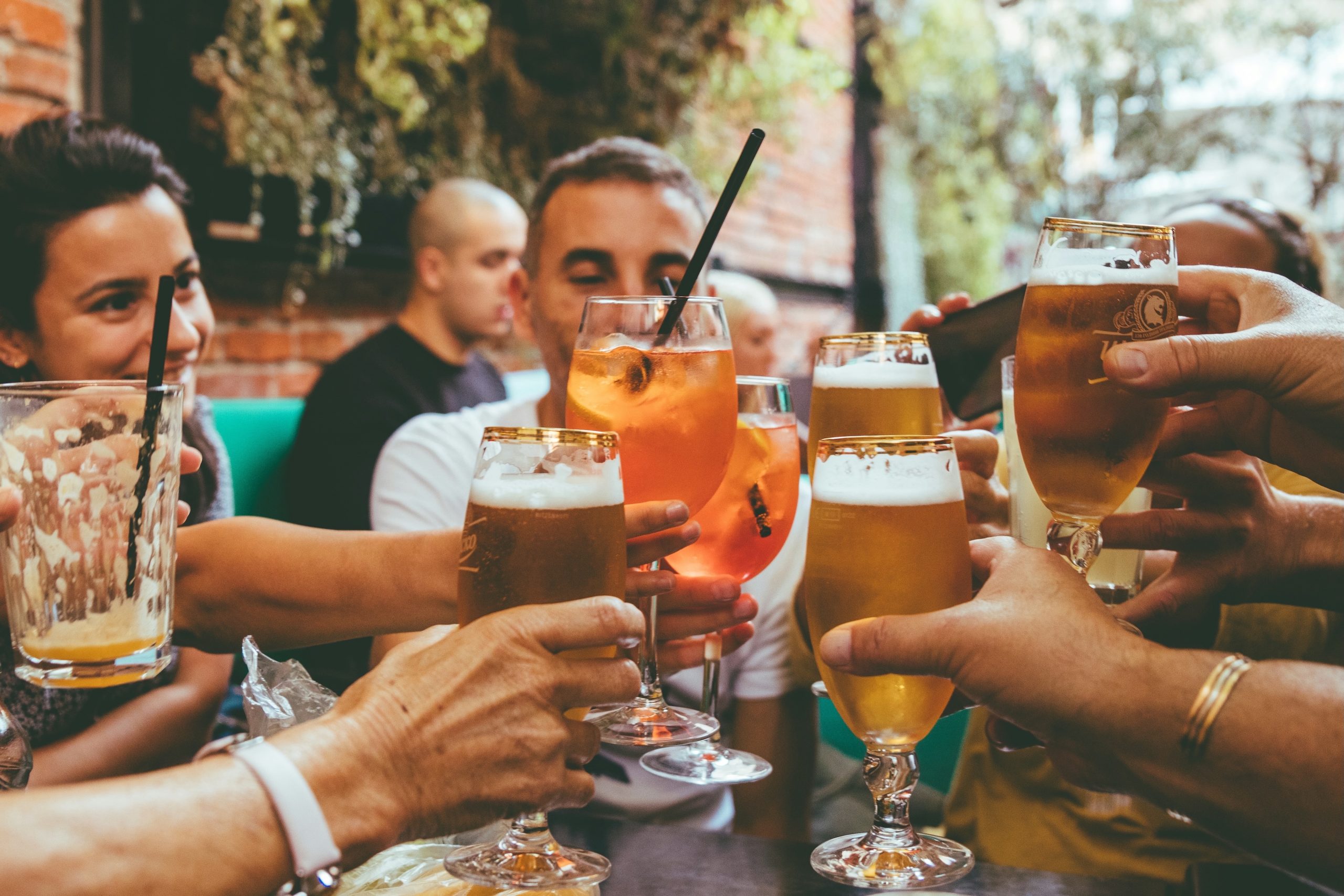
Amid Alcohol Awareness Week, (6th-12th July) Tina Benson, founder and managing director of Team Tactics, explores why employers need to rethink team bonding in 2026, and why alcohol should no longer be the default centrepiece for work socials.
“From Friday drinks to Christmas celebrations and team socials, alcohol has long been the default backdrop to workplace bonding. For many employees, heading to the pub after work or having a few drinks at a company event is seen as a chance to unwind, celebrate and connect with colleagues. But as workforce attitudes towards alcohol continue to shift, that default formula feels increasingly out of step with today’s workforce.
“Almost a quarter of adults in England now say they haven’t drunk alcohol in the past year, according to the latest Health Survey for England, and younger employees in particular are often approaching drinking very differently to previous generations. At the same time, workforces are becoming more diverse in every sense – culturally, religiously, generationally and socially – and those differences can easily be overlooked when alcohol is treated as the automatic centrepiece of a work social.
“That doesn’t mean there’s no place for after-work drinks or alcohol at parties. Having a drink is still something many people enjoy, but crucially, it shouldn’t be the only option at work events, and it shouldn’t be the default.
“When social events are built around alcohol, some employees can end up feeling excluded, pressured or simply overlooked, whether that’s because they don’t drink for health reasons, on religious or cultural grounds, for cost or caring responsibilities, or simply because they just don’t want to. If the aim of team building is to bring people together, then the experience has to work for the whole team.
“This is a real opportunity for employers to think more broadly about what connection at work can look like. There’s a growing appetite for team experiences that feel more inclusive, more purposeful and ultimately more memorable than a few drinks after work. That might be a creative activity, an away day, a shared challenge or a CSR-led experience that brings colleagues together around a cause they care about.
“Purpose-led and volunteering activities can be especially powerful because they create a shared experience. When everyone is working towards a meaningful goal, communication and collaboration happen authentically. We consistently see how effective that can be in bringing different personalities, age groups and backgrounds together, while contributing to something positive beyond the business.
“As workforces evolve, the way employers approach team building must evolve too. The organisations that get it right are the ones that really understand their people – what makes them feel comfortable, included and engaged – and build experiences around that, rather than relying on the same old formula. When team building is thoughtful and genuinely reflective of the workforce, it can have a powerful and lasting impact on morale, culture and connection.”