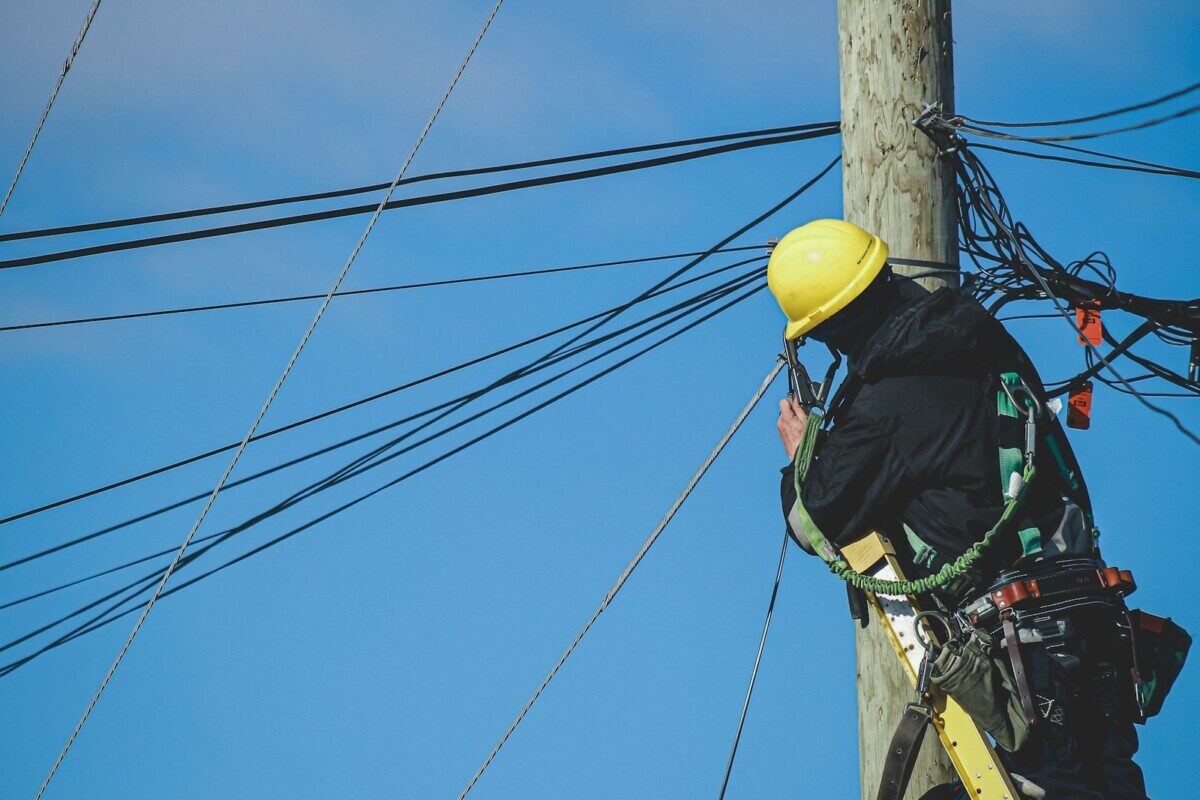
A district nurse wrapping up a home visit at 10pm. A utility engineer alone at a remote substation. A security operative mid-way through a night patrol. These aren’t edge cases, they’re everyday scenarios for millions of UK workers. And the legal duty to protect them has never been more clearly defined.
The lone worker safety solutions market has matured significantly, and in 2026 there are capable platforms at various price points and complexity levels. Five worth knowing: Vismo, StaySafe, SoloProtect, Peoplesafe, and Aware360. Each takes a different approach, and the right fit depends on the size, risk profile, and geographic spread of your workforce.
The Legal Baseline
The Health and Safety at Work Act 1974, reinforced by the Management of Health and Safety at Work Regulations 1999, puts the duty of care squarely on employers. Getting it wrong isn’t just a regulatory risk. It’s a reputational one, and in serious cases, a criminal one.
- Vismo
Vismo is built for scale. Enterprise and mid-market organisations with complex, distributed workforces, including those operating internationally or in genuinely high-risk environments, are its primary audience.
The lone worker safety solutions includes GPS tracking, geofencing, emergency alerting, and satellite connectivity. That last feature is a genuine differentiator. A field worker in a location with no GSM signal can still be tracked, checked on, and connected to emergency services. The platform also includes man-down detection, automated missed check-in escalation, and mass notification capability, useful for organisations managing both lone worker safety and broader incident response from a single system.
The catch? Vismo is built for organisations with real complexity. A small business looking for a simple app for ten employees will find it more than they need, and pricing will reflect that.
Best for: Enterprise and mid-market organisations with distributed or globally mobile workforces, particularly those needing satellite connectivity.
- StaySafe
Now part of EcoOnline’s wider EHS software suite, StaySafe is one of the most recognised app-based lone worker platforms in the UK. The acquisition has broadened its capabilities considerably.
Core features cover check-ins, missed check-in escalation, panic button, GPS tracking, and man-down detection. There’s an optional 24/7 monitoring centre for organisations that want human oversight rather than automated alerts alone. EcoOnline has also added a Satellite Mode and a Low Signal Mode that falls back to SMS when data connectivity drops, which extends its usefulness beyond urban environments.
StaySafe is frequently cited for app usability, which matters more than people admit. A lone worker safety platform only works if people actually use it.
Best for: Small to mid-sized organisations, particularly those already using or evaluating EcoOnline’s wider EHS platform.
- SoloProtect
SoloProtect’s signature product is the SoloProtect ID, a dedicated hardware device that doubles as a staff ID card. It’s been widely adopted in housing, social care, and utilities, sectors where discretion and reliability both matter.
When an alarm is triggered, the device connects directly to a 24/7 Alarm Receiving Centre. A trained operator listens in, assesses the situation, and summons emergency services if required. That human-in-the-loop model is a meaningful feature for high-risk deployments where automated escalation alone isn’t considered sufficient.
An app-based option is also available for organisations that prefer smartphone-based solutions.
Best for: Organisations in housing, social care, and utilities where a discreet dedicated device with 24/7 ARC monitoring is preferred.
- Peoplesafe
Formerly Skyguard, Peoplesafe is one of the longer-established providers in the UK lone worker space. Their proposition centres on monitored protection, when an alarm is raised, a trained operator manages the response, including liaising with emergency services using the worker’s GPS location.
It’s a model they’ve refined over many years, and their monitoring infrastructure is frequently referenced as a strength by buyers evaluating high-risk deployments.
Worth noting: Peoplesafe’s focus is firmly on the monitoring side. Organisations primarily looking for a technology platform to integrate into existing HR or risk management systems may find other providers a better fit.
Best for: Organisations that prioritise human-monitored alarm response, particularly in high-risk sectors.
- Aware360 (SafetyAware)
Aware360 is a North American provider with a growing international presence. Their SafetyAware platform covers GPS tracking, check-ins, man-down detection, and hazard monitoring, and it’s used heavily in oil and gas, utilities, and construction.
Still less established in the UK market than the other providers listed here. For UK procurement teams, that’s worth factoring in when evaluating support availability, data residency, and regional compliance requirements.
Best for: Industrial sectors, particularly oil and gas, utilities, and construction, looking for strong hazard monitoring capabilities.
What to Compare Before You Decide
No single platform is best for every organisation. Before shortlisting providers, work through these:
Real-time GPS tracking. Can you see where a worker is at any given moment?
Missed check-in escalation. Does the system automatically alert someone if a check-in is overdue?
Two-way communication. Can the worker raise an alarm and speak to a monitoring centre directly?
Man-down detection. Does the device detect if a worker has fallen or stopped moving?
24/7 monitoring. Is there human oversight, or is escalation automated only?
App vs. device. Does your workforce need dedicated hardware, or is a smartphone app sufficient?
Signal reliability. Workers in remote or rural locations may need satellite connectivity. Most app-based solutions don’t provide it.
Common Questions
What are UK employers legally required to do? Assess risks faced by lone workers, ensure workers can raise an alarm, confirm someone knows their whereabouts, and have escalation procedures in place if contact is lost.
Do these solutions work without mobile signal? Most app-based platforms don’t. Device-based platforms like Vismo include satellite connectivity for exactly this reason.
How much do they cost? Most providers operate on a per-user monthly subscription. Per-user pricing, device costs, and monitoring fees vary significantly, so request itemised quotes to compare like-for-like.
The Bottom Line
For complex, globally distributed workforces needing satellite connectivity and platform breadth, Vismo is worth a detailed conversation. For smaller deployments where a well-regarded app-based solution fits the brief, StaySafe and SoloProtect are strong options in the UK market.
Whatever you choose, pick something your workforce will actually use. A lone worker safety solution that sits on a phone, ignored, protects nobody.
This article is for informational purposes only. Organisations should conduct their own due diligence and consult a qualified health and safety professional when selecting a lone worker safety solution.