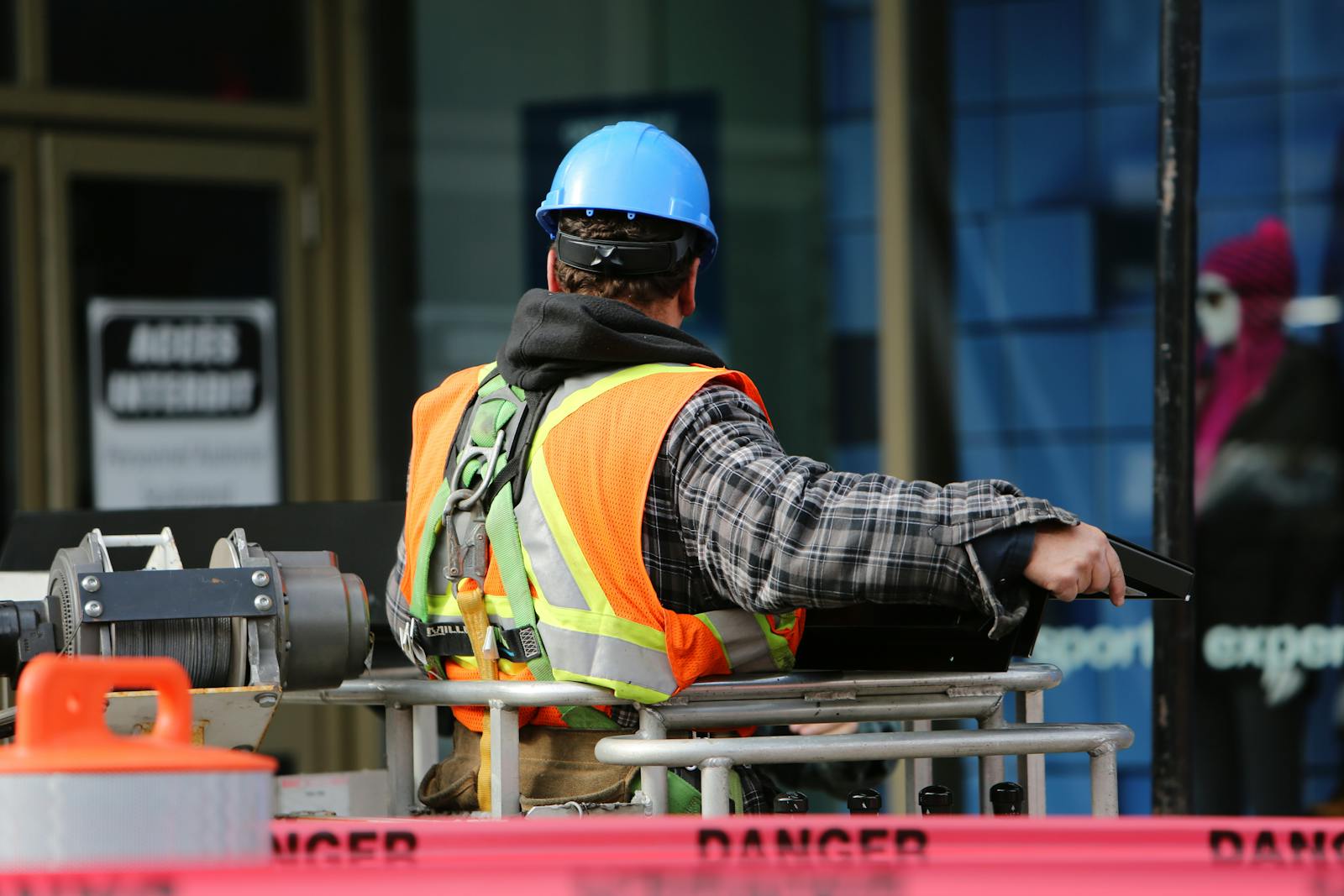
Many British workers are relying on dangerous safety advice that they’ve found online which is leading to costly accidents, legal trouble and even workplace fatalities.
Astutis, a workplace health and safety training provider, has revealed five misconceptions about workplace safety that employers and HR professionals believe that could be putting millions of workers at risk.
Brenig Moore, Technical Director and Health and Safety Expert, at Astutis, says:
“People often think that workplace safety only matters in heavy-lifting industries like construction and building. However, hazards exist in every role, even when you’re in an office working 9-5.
It’s astonishing how many people think these types of myths are true when it comes to safety in the office, and it’s our job to ensure that employers know what’s right when it comes to health and safety, as there’s nothing more important than potentially saving someone’s life.”
Astutis highlights five of the most common, and most dangerous, workplace safety myths, utilising Brenig’s expertise in workplace safety, wellbeing and training, to discuss what’s right.
-
If you’re working from home, that’s not the employer’s problem
“The reality is that employers can still get in trouble if something goes wrong at home.
Faulty electrical equipment and poor ergonomics can cause a serious impact, and it’s an employer’s job to ensure all electrical equipment is safe.
The employer should also always provide the right equipment for members of staff to get the job done safely without risk of injuries.”
-
First aid kits are just an option if you’re an SME
“The Health and Safety Regulations 1981 require every workplace, no matter how many members of staff, to do an appropriate first aid provision. Your first aid box should have everything needed for minor incidents such as plasters, bandages, antiseptic wipe
-
If you’ve never had an accident then your safety measures must be fine
“While you may think that your safety measures are fine, there may just be some unreported or unnoticed injuries. It’s important that employees
Since your last safety review, there might be new equipment to be aware of, and it’s important to keep these policies up to date as frequently as possible.”
-
PPE and hard hats are just for those working on a building site
“If you’re on a building site, then hard hats and PPE are absolute non-negotiables. However, they’re not just for construction and building sites.
Many industries require PPE, everything from manufacturing to laboratories. Ignoring them leaves staff exposed to unnecessary risks.”
-
HSE training is just a box ticking exercise
“Proper training can mean the difference between a near miss and a fatality. It will also protect employers from both legal and financial penalties.
In our Learner Report 2025, it was discovered that half of employees skip out on health and safety training due to lack of time. HSE training should really be prioritised by both employers and employees to ensure that everyone knows what to do in an incident.”
For more health and safety in the workplace advice or to view this year’s Learner report, please visit: https://www.astutis.com/astutis-hub/news/learner-report-2025