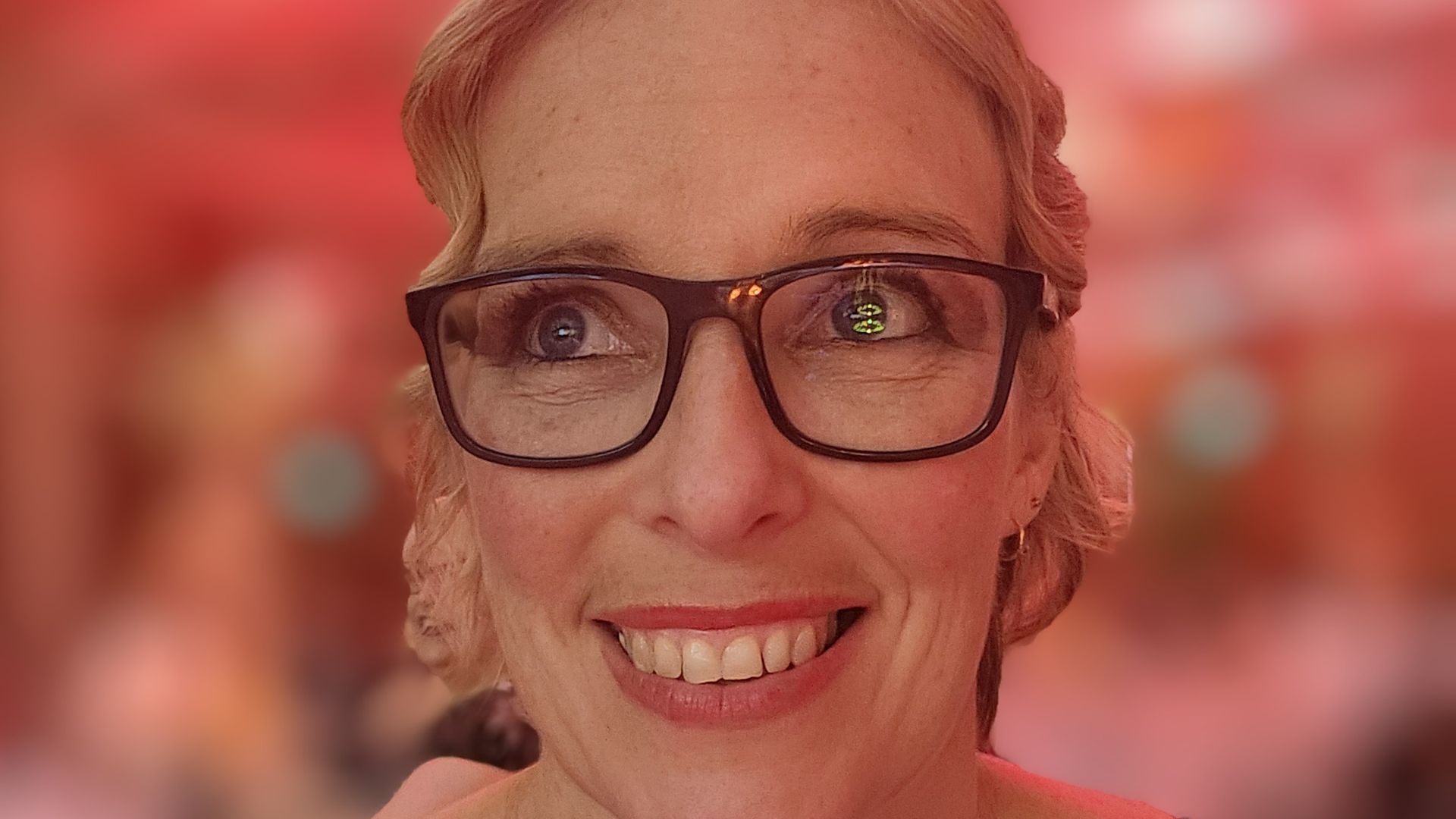
Attributed to Cybill Watkins, Product Legislation Manager at Zellis
I was diagnosed with autism later in life. It didn’t change my competence, but it did change how I worked. For years, I masked: monitoring my tone and scripting interactions. Doing my job whilst constantly self-monitoring took a real cognitive and emotional toll – like method-acting every day. It led to chronic anxiety and repeated burnout.
Post-diagnosis, I pushed for more accessible ways of working – first for myself, and later for other neurodivergent employees. But that responsibility should not sit with individuals. Under the Equality Act 2010 UK employers have a legal duty to make reasonable adjustments across the full lifecycle of employment. This could be anything from leveraging AI tools to support focus and communication, to creating quiet spaces for people to work more comfortably. But workplace design for neurodiverse employees should not begin once someone has the capacity to advocate for themselves; it should be built in from the outset across the full employee experience.
Awareness in the workforce
Awareness of neurodiversity has improved, but workplace adjustments have not kept pace. Only around a third of neurodivergent employees feel confident disclosing their needs or trust that adjustments will follow. That gap continues to push skilled people out of the workforce, often unnecessarily, with broader economic consequences.
The UK’s 2025 Keep Britain Working report estimates that one in five working-age people are currently out of work, costing the economy £212 billion annually in lost output. Inaccessible workplaces, particularly for neurodivergent employees and those managing mental health conditions, are a significant and addressable part of that picture.
Employers must design workplaces with neurodiverse needs in mind
Employers cannot afford to treat neurodiversity as a niche inclusion issue or a one-off training topic. It requires a fundamental shift in how workplace cultures are designed and sustained.
That starts with removing the burden of proof. Too often, neurodivergent employees are expected to articulate and repeatedly advocate for the support they need – adding to the very cognitive and emotional load that adjustments are meant to reduce. Support should be normalised; disclosure should be safe; and, fundamentally, adjustments should be accessible without friction.
It also means treating accommodations as ongoing processes, not just when individual requirements present themselves. People’s needs change over time, and organisations should build systems that adapt with them. Crucially, neurodivergent employees must be involved in shaping those systems because lived experience is essential in designing support and processes that truly work.
Employers should prioritise universal design – practical changes that reduce barriers for everyone. Clear communication, smart use of well-designed technology, predictable ways of working, and environments that minimise unnecessary friction, can make a significant difference. When these are embedded into organisational culture, many individual adjustments become unnecessary altogether.
The business case for neurodiversity-friendly workplaces
The business case is unambiguous. There is a clear benefit for both organisations and employees when workplaces are designed with neurodiversity in mind. Organisations that invest in inclusive cultures see stronger retention, deeper engagement and access to a broader talent pool. This approach also translates into higher productivity levels, with research showing that teams including neurodivergent professionals can be up to 30% more productive than those without. Neurodiverse teams can also deliver more innovative ways of thinking and creative approaches to problem-solving.
In recent years I have seen positive change, with more businesses beginning to create spaces that allow neurodiverse employees to thrive. But there is still more to do. Workplace accessibility should not depend on how well a person can adapt to an existing system; it should be built into the system itself. For employers facing skills shortages, rising ill-health and retention pressures, building neurodiversity-friendly workplaces is not just the right thing to do. It is a strategic necessity and a competitive advantage.
About Cybill Watkins
Cybill Watkins is Product Legislation Manager at Zellis for the group-wide business, the UK and Ireland’s leading provider of AI-enabled HR, payroll and workforce management solutions. With over 30 years’ experience in payroll, HR and compliance, Cybill brings deep expertise in UK payroll legislation, regulatory change and operational delivery.
Before joining Zellis, she held senior management positions at organisations in industries including manufacturing and logistics, the public sector, private education and blue-chip companies. She has also contributed to the profession as an End Point Assessment Writer for NCFE, supporting payroll apprenticeship standards.
Today, Cybill plays a core role in shaping compliant payroll solutions and championing neurodiversity in payroll and HR through speaking at conferences and webinars, as well as through published articles.