The average office employee works around 40 hours per week, the equivalent of more than 2,000 hours a year. When so much of our time is spent in the office, it’s no wonder that the environment impacts our productivity, job satisfaction, and well-being.
Businesses with higher well-being levels usually perform better, so managing office well-being is crucial. Studies show that employees in well-designed workplaces report higher levels of productivity and engagement. But, it’s not just about what it improves, it’s about the negative aspects of office life it reduces too. Absenteeism, costly staff turnover, and work-related stress are all minimised when employees find the office a nice place to work.
An office isn’t just about aesthetics; it’s about creating a comfortable space for the people who use it every day, with areas for focus, collaboration, and to recharge. Workplace wellbeing isn’t only shaped by physical surroundings, it’s influenced by how people feel throughout the day. An effective office environment supports not just productivity, but safety, autonomy, and balance.
Whether you’re aiming for a full re-fit or simply want to make small but impactful improvements to your space, Sam Chughtai, Co-Director at Flow Office and a Holistic Psychologist specialising in integrative mental health and wellbeing, is sharing her guide on how to improve office wellbeing through small but practical spatial and cultural changes.
Breakout Rooms
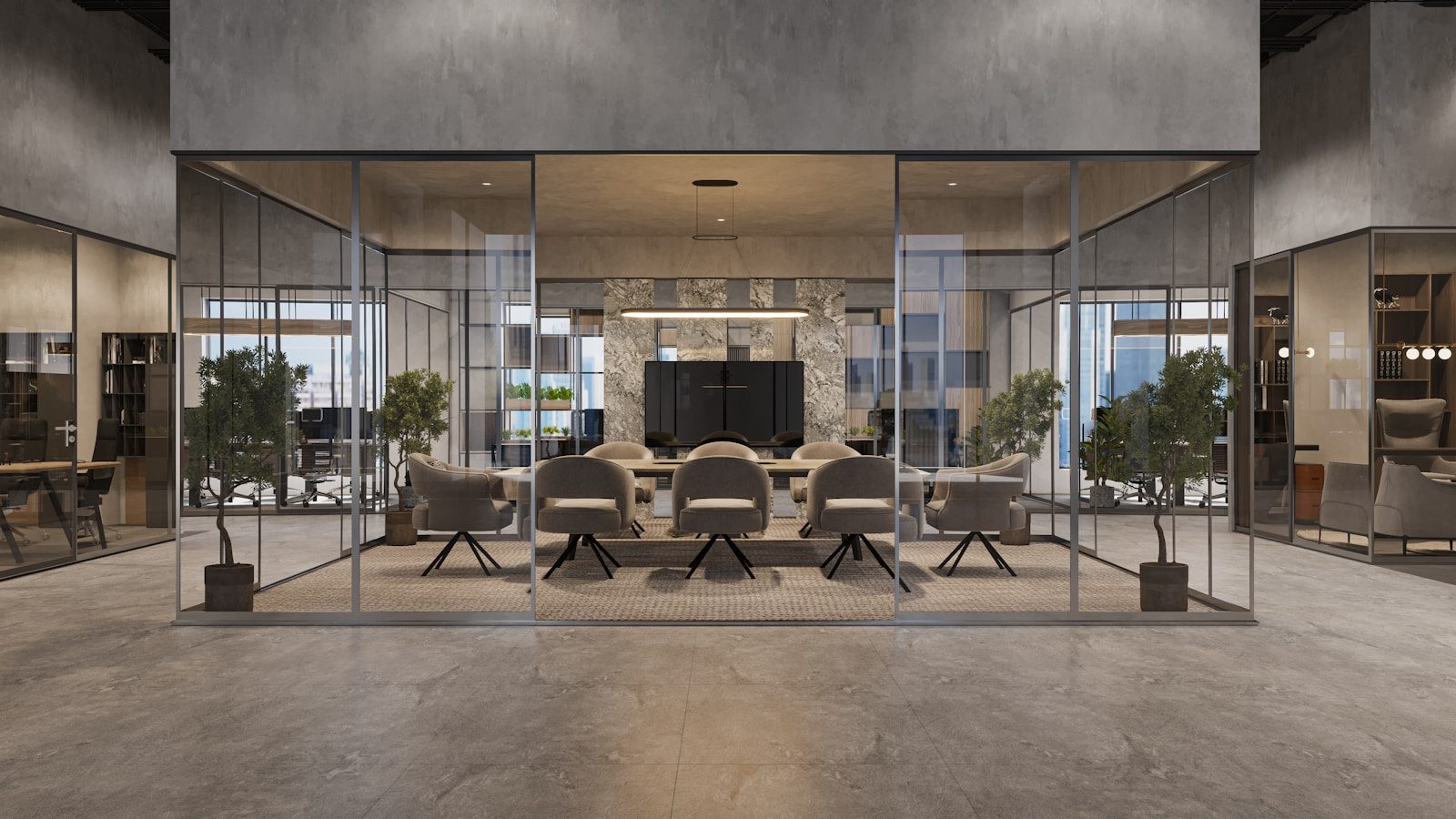
Breakout rooms have many important uses; they can act as a space for informal discussion, an area for collaboration, or even a welcome change of scenery on a lunch break. They provide employees with the flexibility to step away from their main workstation and engage with colleagues in a more relaxed and creative environment.
Whether used for brainstorming sessions, team catch-ups, quick project meetings, or simply to recharge, these rooms help foster stronger working relationships and open communication. Everyone works differently, so having this area encourages well-being by making employees feel they aren’t trapped at their desks all day. It supports and improves both morale and overall engagement.
Quiet Spaces
Sometimes, employees just want silence and to work without distractions, but in a busy office, this can be difficult. Open-plan layouts, phone calls, meetings, and general movement can make it challenging to concentrate for extended periods. That’s why a quiet space is so important for anyone who needs a moment of calm and a break from the hustle and bustle.
These dedicated areas allow individuals to focus, complete tasks, read, think, or simply decompress for a few minutes. By providing an environment free from interruptions, employers demonstrate an understanding of different working styles and support mental health, reduce stress levels, and improve performance.
Better Bathrooms
Generally, bathrooms are an afterthought in fit-outs, but as employees spend so much time in the office, a clean and comfortable bathroom is essential for well-being. These spaces play a subtle yet significant role in how people perceive their workplace. Prioritising good ventilation, lighting, and regular maintenance ensures these spaces remain hygienic and inviting. And, when bathrooms are well-maintained and thoughtfully designed, employees feel respected, reinforcing a positive workplace culture.
Ergonomic Equipment
85% of workers complain that the equipment they are provided with is not ergonomic, so simply choosing the right chairs, desks, and tools can have a massive impact on well-being. Poor posture, repetitive strain, and uncomfortable seating can lead to long-term health issues and decreased productivity.
Minimising discomfort and physical strains, and encouraging movement through optimised designs can enhance productivity and satisfaction. Adjustable chairs, sit-stand desks, supportive keyboards, and properly positioned screens help reduce fatigue and prevent injury. Investing in ergonomic equipment demonstrates care for employee health and contributes to focus, energy levels, and job satisfaction.
Natural Light
Natural light has been linked to lower stress, increased productivity, better focus, and higher job satisfaction. Exposure to daylight helps regulate circadian rhythms, improve mood, and create a sense of openness within a workspace.
By incorporating large windows, skylights, or open layouts that allow sunlight through the workspace, offices can create a more inviting atmosphere that supports mental well-being. Even simple changes, such as positioning desks near windows, can maximise light flow. A bright, naturally lit environment feels more energising and welcoming, helping employees feel more motivated and comfortable throughout the day.
Biophilic Elements
Known as biophilic design, incorporating natural elements such as plants, natural materials, and calming textures can significantly enhance well-being. This approach helps reduce stress, improve air quality, and create a calming and restorative environment. Even small additions like desk plants or greenery walls have a noticeable impact.
Final Thoughts
Sam Chughtai said: “Ultimately, improving office wellbeing doesn’t require a complete transformation. I’ve found that small, thoughtful changes can often be the most effective in creating a workplace where people are able to perform at their best.
“However, a well-designed office can only go so far if employees don’t feel safe to speak up, share ideas, or make mistakes. Encouraging open communication, supportive leadership, and a culture of trust helps employees feel more comfortable and engaged. Even the smallest actions, such as inclusive meetings or regular check-ins, can make a meaningful difference.
“By taking a holistic approach that considers both the physical environment and the psychological experience, businesses can build spaces that not only look good, but truly work for the people within them.”