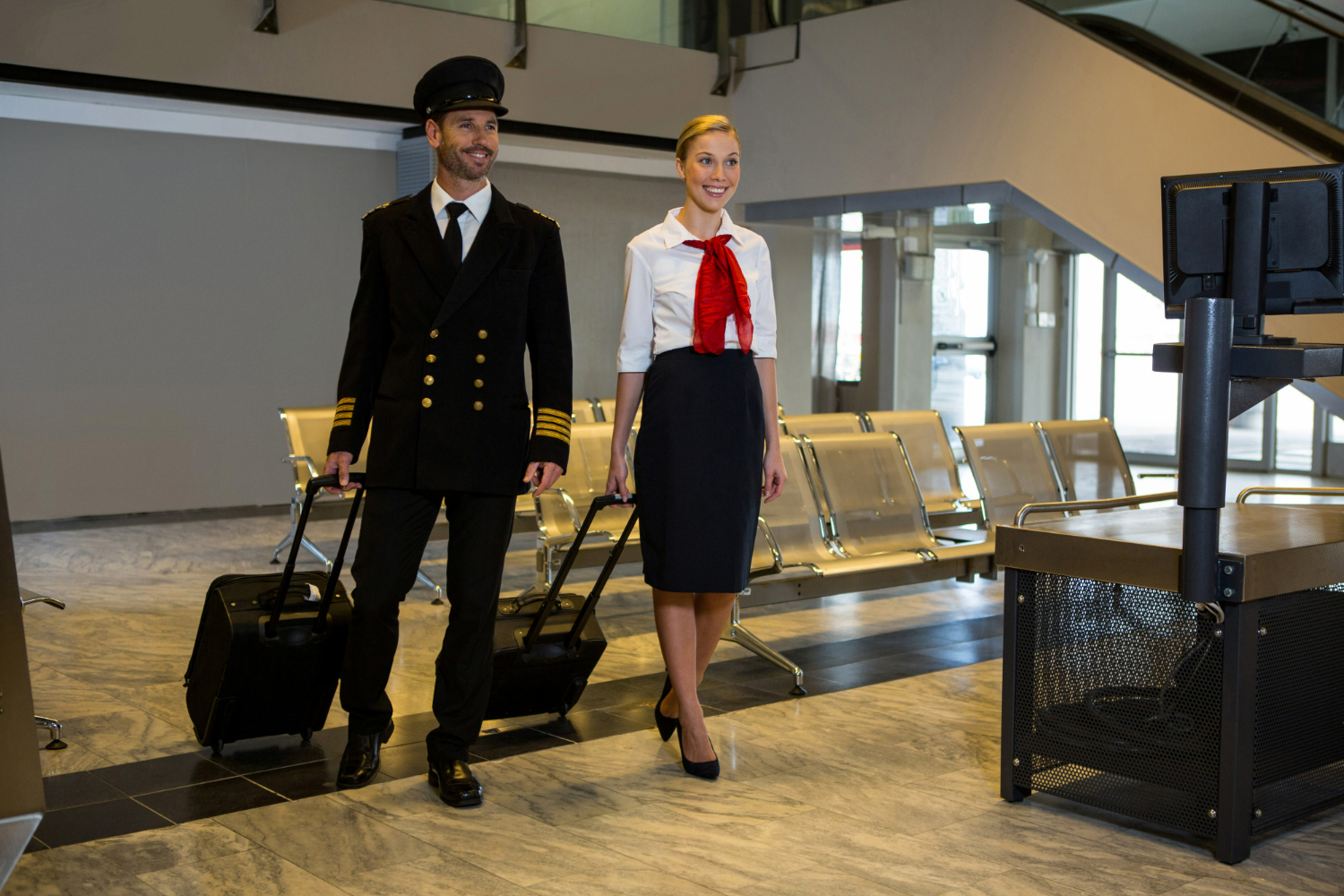
After the devastating effects that the Covid-19 pandemic has caused, things are now taking a positive turn for the aviation industry. The industry is seeing a considerable increase in recruitment needs for pilots, cabin crew, customer service representatives, etc. As travel restrictions ease, and with many people taking “revenge travel,” airline companies struggle to catch up and fill the gaps left by retiring professionals.
If you’re considering a career in the aviation industry, there are many things you need to know. While many opportunities are available right now, the job market remains competitive. If you want to stand out, you must come prepared.
Here are the latest recruitment trends in the aviation industry.
Candidates who Can Work Well Under Pressure
Working in the aviation industry can be stressful, especially now that travel is back in full swing. Because of this, companies would prefer to hire candidates who can work well under pressure. To work under pressure means you must still perform well despite setbacks and challenges.
Working under pressure also means not allowing stress to affect your work. Put aside your emotions and frustration, and always search for the best ways to continue working despite the challenges. Unexpected holdbacks must not affect your performance and productivity at work.
As for cabin crews and pilots, proper pre-flight planning and time management can help them prevent stressful situations. Aviation professionals can benefit from delegating responsibilities, managing tasks, and taking breaks when needed. You can minimise stress if you can manage your tasks and schedules well.
Recruitment interviewers will most likely ask candidates how they can work under pressure. The answer will depend on how you handle stress personally. For instance, you can say that you handle stress by taking deep breaths and looking for a quiet space to gather your thoughts. Once you are calm, that’s when you address the issue. You can best address issues if you have a clear mind.
Those Aware of Environmental Pressures
Aviation contributes to roughly 2% of the overall global emissions. Because of this, the industry is committed to addressing its environmental impacts by establishing initiatives that can help make a difference worldwide. As someone interested in pursuing an aviation career, you should educate yourself on the industry’s environmental pressures.
Over the past few years, we have seen the devastating effects of climate change, which continue to alter weather patterns and temperatures. Even though aviation is not the major contributor to these environmental pressures, it has a crucial role.
The aviation industry has shown significant progress in fuel and carbon efficiency, cutting in half the fuel used in every flight. Most flights today generate only 50% CO2 than flights decades ago, thanks to the aviation industry’s commitment to investing in technological advancements and improvements in infrastructure and daily operations.
If you want to be part of the aviation industry, you need to know about the efforts the industry is pursuing to reduce its environmental footprints. Some examples are using low-carbon and sustainable aviation fuels and investing in innovative power generation technologies.
A Focus on Employee Retention
Employers in aviation are now looking to keep their employees for longer. Because of this, they focus early on retention. When recruiting new employees, they prefer those who desire to stay longer. Therefore, if you want to increase your chances of getting hired, you must demonstrate during the recruitment that you see yourself growing in the company.
Seek advice from an aviation career expert who can provide useful insights into effective interview techniques. A conversation with such an expert can function as a coaching session, assisting you in communicating your long-term commitment to the prospective company. By matching your career ambitions with the company’s vision, you not only establish your appropriateness for the role but also your capacity to contribute to the organization’s long-term success.
In addition to hiring employees who desire to stay longer, aviation companies are implementing strategies to prevent employees from leaving and seeking new opportunities somewhere. They keep open lines of communication with employees to find out what keeps them motivated and happy at work.
Instead of waiting to get feedback from workers during exit interviews, employers are taking proactive approaches to find out what the employees want. In doing so, they can immediately address concerns and change strategies to keep employees and not wait until they leave, resulting in a more committed and engaged workforce.
Employees with Skills in Technology
The aviation industry is going through advancements and transformations. Emerging technologies offer opportunities to improve efficiency, flight safety, and customer service experience. Therefore, if you are passionate about aviation and want to pursue a career in this industry, you need to gain more insights into the latest technological advancements in aviation.
New technologies, such as machine learning, Artificial Intelligence (AI), and the Internet of Things (IoT), are increasingly used in flight operations. Because of this, employers would prefer to hire those who have some knowledge of these technologies and are comfortable with using new tools and software.
People working in aviation should know how to use software to analyse data and make better choices. Aviation systems are crucial components that control how modern aircraft operate and ensure flight safety. Software forms the foundation of these systems, making it possible to perform essential functions, from navigation to flight planning and data analytics.
Having skills in computer science, data analytics, and information technology will give you a higher chance of getting hired in the aviation industry.
A Need for Multilingualism
Since the aviation business is a global industry, cultural understanding, and language learning are essential for excellent customer service. Employees must communicate well with people from different cultures and nationalities. So, to increase your chances of getting a job in aviation, consider learning new languages and practicing them fluently.
Given today’s escalating growth in international air travel with airlines catering to passengers from different linguistic backgrounds, it is not enough to be fluent in English. An aviation employee should also be proficient in at least one other language.
In addition, global connectivity and mobility have resulted in a multicultural business environment, which makes managing workplace diversity a top priority for aviation companies.
In aviation, multiculturalism and multilingualism are crucial for running the business. Conversing in the passenger’s local language allows employees to connect with them deeply, resulting in improved customer experience.