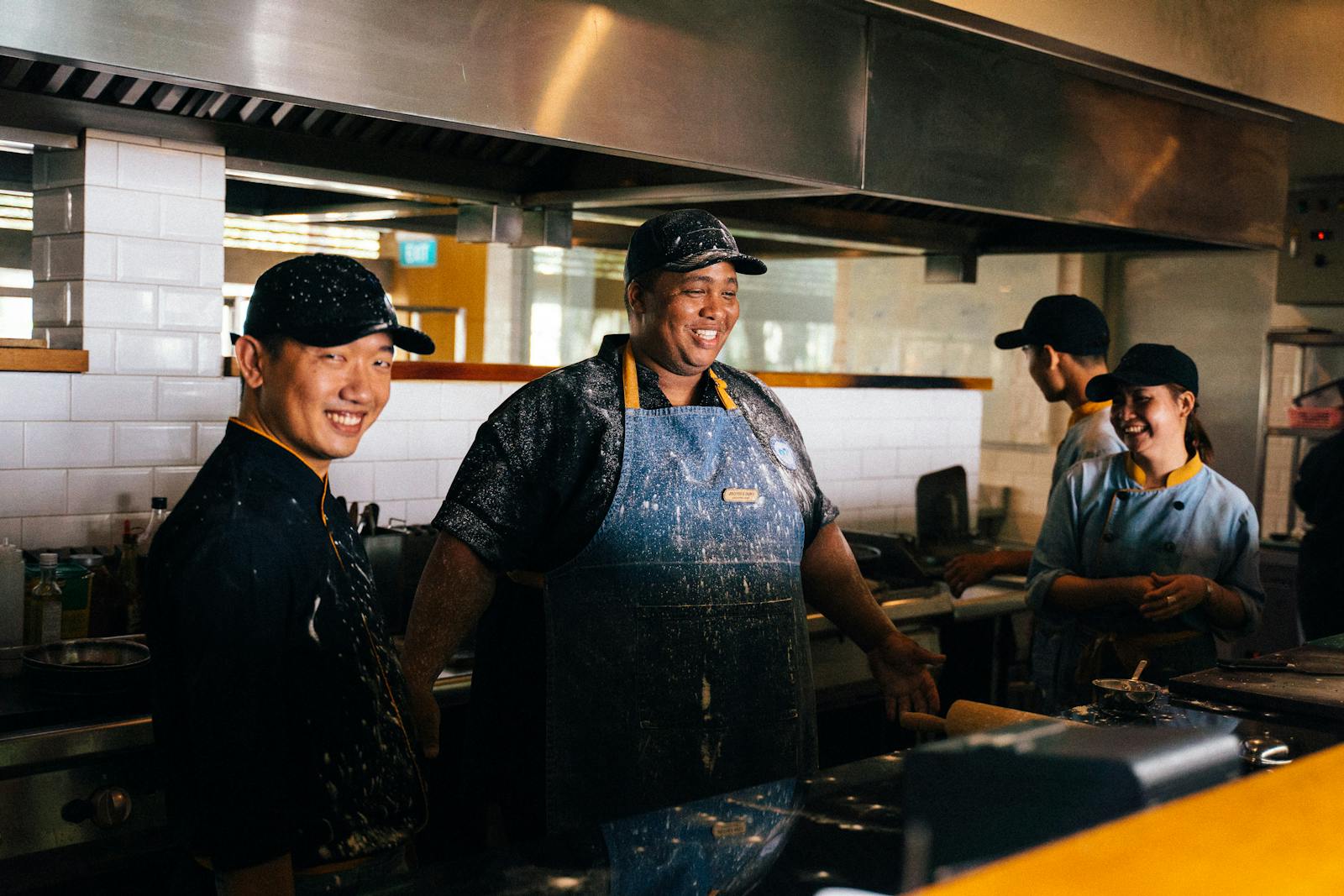
In today’s fast-moving hospitality industry, attracting and retaining talented staff is more challenging and important than ever. As restaurants across the UK face rising competition and staff shortages, creating a supportive and competitive workplace can give your business the edge. Creating an attractive working environment isn’t just about wages – it’s about culture, flexibility, and legal compliance.
This guide offers practical steps to help restaurant owners build environments where hospitality workers feel valued, supported, and motivated to stay.
Attracting Talent with Competitive Pay and Benefits
One of the most effective ways to attract top-tier staff is by offering fair and competitive wages and a well-rounded benefits package. Fair pay is not just a legal obligation – it’s a clear indicator that your restaurant values its people. Plus, with add-ons such as bonuses, pension contributions, and access to healthcare, you can further strengthen your offer. These extras can truly set you apart from other employers and help you attract committed, high-quality candidates. It’s important to note that compensation remains a top factor when candidates choose where to work in the hospitality sector.
Creating a Positive and Inclusive Workplace Culture
A thriving team culture can be the difference between high turnover and long-term employee loyalty. This means working towards creating an environment in which employees feel included, recognised, and supported in their growth. Today’s workers prioritise company culture as much as pay so it’s vital that you provide opportunities for upskilling, recognise achievements, encourage team feedback, celebrate successes, and ensure diverse voices are heard.
Ensuring Legal Compliance and Worker Protection
Ensuring that your hospitality business meets all legal requirements is essential – not just for protection from penalties, but for fostering trust with your staff and creating a workplace that prioritises safety and fairness.
UK laws require employers to provide adequate health and safety measures, fair holiday allowances, sick pay, and more. Staying ahead of regulation changes and updates helps to protect both your business and your staff. For tailored advice on employment compliance, it’s wise to consult with legal professionals, such as lawyers for restaurants, who can help you build a legally sound and supportive workplace.
Providing Work-Life Balance and Flexibility
Hospitality work is demanding, so flexibility is increasingly valued. The hospitality industry is well-known for its long and often irregular hours, but that doesn’t mean work-life balance should be neglected.
Offering flexibility through digital scheduling tools, considerate rotas, break coverage, advance notice of shifts, and fair time-off policies can go a long way in improving employee wellbeing. Happy teams are more likely to stay loyal and perform better, especially when their personal needs are respected.