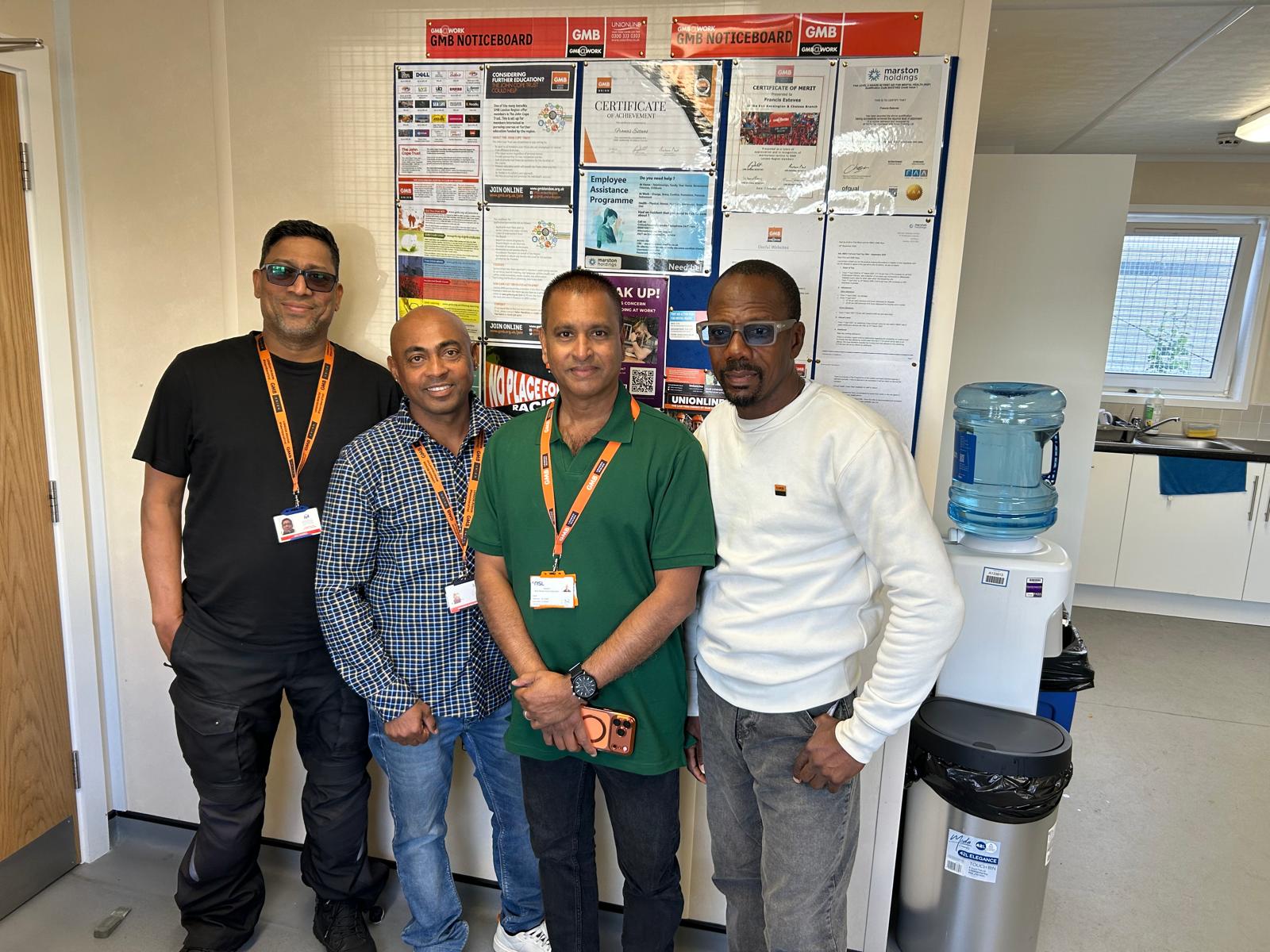
Civil Enforcement Officers win a 17% pay rise this year, a further 5% next year and two extra days’ annual leave
Civil Enforcement Officers working on the Royal Borough of Kensington and Chelsea (RBKC) contract have secured a series of pay increases totalling £6.50 per hour since June 2023, following negotiations involving GMB Union representatives.
The latest agreement includes an hourly pay increase of £2.55 this year, representing a 17% rise, alongside a further 5% increase scheduled for next year. Employees have also secured an additional two days of annual leave.
According to GMB Union, the officers were previously among the lowest-paid employees working on the RBKC contract. The increases represent a significant improvement in their pay and employment conditions over the past three years.
The union attributes the agreements to collective bargaining and increased membership among the workforce, with 94% of employees now represented by GMB.
Union Membership Increases During Pay Negotiations
The negotiations have been supported by a workplace representatives’ team led by Lead Representative Francis Esteves and Senior Representative Joe Gomes, who took up their positions in June 2023.
Since their appointments, the representatives have worked to increase union membership and negotiate improvements to employees’ terms and conditions.
The reported 94% membership level gives GMB substantial representation within the workforce, potentially strengthening its position in discussions with management over pay and working conditions.
While the union has highlighted the role of its representatives in securing the agreements, the outcome also reflects the collective bargaining process between employee representatives and the employer.
GMB Welcomes Pay Agreement
Paul Block, GMB Regional Officer, welcomed the outcome and praised the contribution of workplace representatives and employees.
“This win belongs to the reps and the members. Francis, Joe and the whole reps team have put in the hard work, signed up their colleagues and stood firm in negotiations. It has been a real team effort.
“These workers were the lowest paid on the contract. Now they are £6.50 an hour better off. That is what happens when workers stick together.”
Francis Esteves, GMB Lead Rep, said the representatives had focused on addressing pay disparities since taking on their roles.
“When we became reps we knew we were at the bottom of the pay scale on this contract and that had to change. Every colleague who joined made us stronger. With 94% of us in GMB Union, management knows we speak with one voice.
“United we win.”
Implications for Employers and Employee Relations
The agreement highlights the role that collective bargaining can play in determining pay and employment conditions, particularly among outsourced public service workforces.
For employers managing contracted services, pay negotiations can involve balancing employee expectations, recruitment and retention pressures, operational costs and existing contractual commitments.
The additional annual leave entitlement also demonstrates how negotiations can extend beyond basic hourly rates to encompass wider employment benefits.
The agreement comes at a time when employers across the UK continue to face questions about pay competitiveness, employee engagement and the management of workforce relations.
For organisations employing staff on public sector contracts, maintaining constructive communication with recognised trade unions and employee representatives can be an important part of managing these issues.
GMB has presented the Kensington and Chelsea agreement as an example of the benefits of increased union representation and sustained negotiations.
However, the union’s announcement does not include comments from the employer or RBKC, and the financial or operational implications of the agreement for the contract have not been detailed.
The latest settlement nevertheless represents a substantial increase in hourly pay for the officers concerned, with a further rise and improved holiday entitlement due to take effect next year.