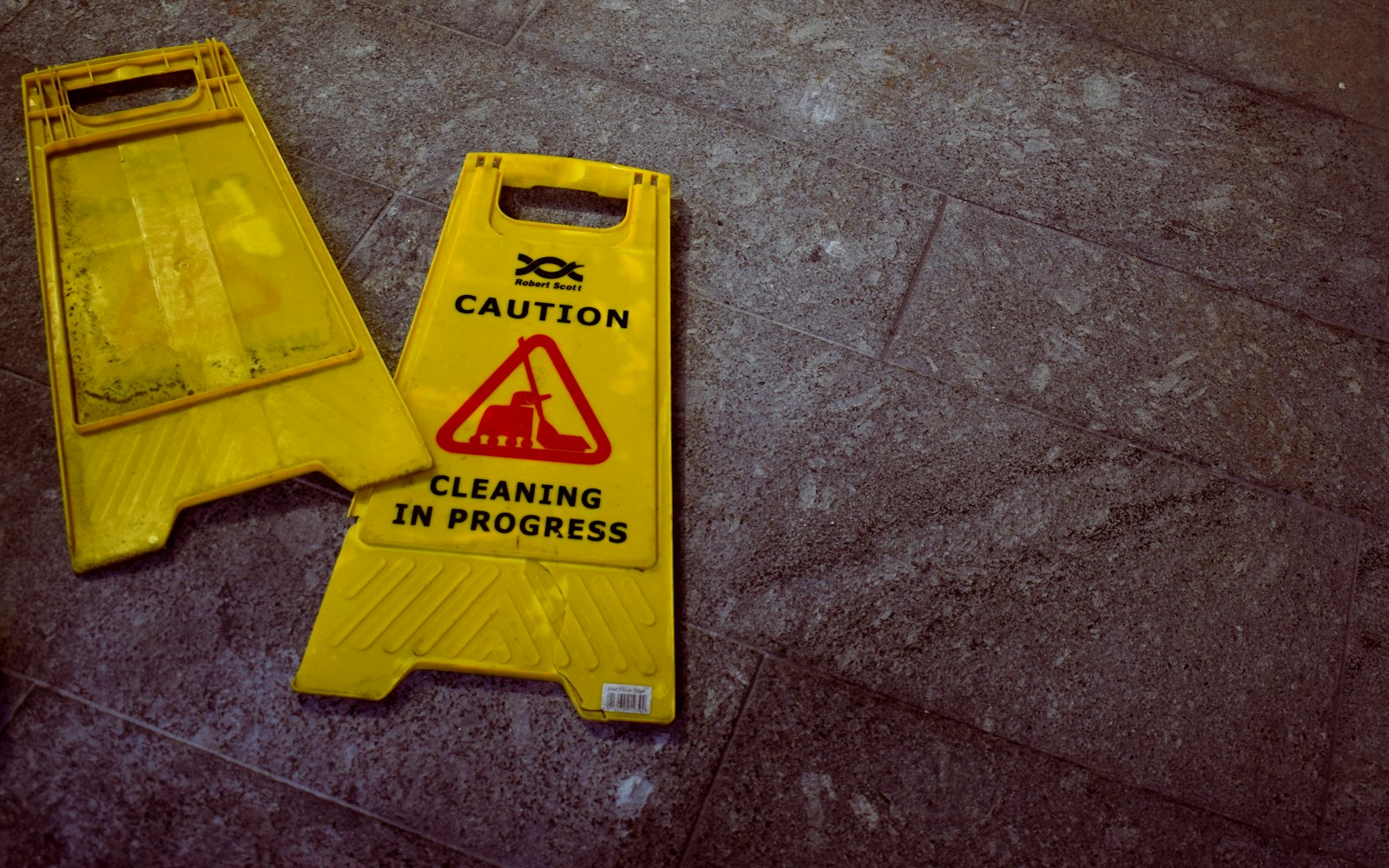
As an employer, you have a sense of care for those that work for you. It’s your duty to ensure their wellbeing is prioritised and they can come into work and feel safe. Not only does an employee being injured affect them and mean they have time taken off work, but you can also be sued and are a staff member down. All in all, it’s much easier to prevent accidents from happening than deal with the fallout after. One of the most effective tools you can use to help prevent accidents are warning signs. These play a critical role in letting people know of potential hazards that might be in the workplace, guiding them and also reducing accidents from happening. In this article we take a look at the importance of warning signs in the workplace, how they can impact accident prevention and the best way you can implement them for success. Keep on reading to find out more and help keep your employees protected in the workplace.
Why are warning signs so important?
Warning signs are a vital component when looking to keep your workplace safe. They are physical reminders of dangers that might be in the workplace, helping to inform employees and stop any potential accidents before they occur. Some of the reasons they’re so important include:
- They clearly indicate the presence of a potential danger such as wet and slippery floors, high-voltage areas, heavy machinery and if doors need to be kept locked. This helps both employees and visitors be aware of any risky areas and take precautions or steer clear depending on the situation.
- They can offer behavioural guidance. Some warning signs can prevent accidents as they direct individuals in how they need to act or if precautions need to be taken in certain areas. For example, when it comes to avoiding restricted areas, following safety protocols and wearing PPR (personal protective equipment) to stay protected from chemicals and debris.
- They ensure you’re legally compliant. In the UK and other countries, you have to display warning signs in order to not breach the law. The Health and Safety (Safety Signs and Signals) Regulations 1996 in one such example and requires you to clearly display signs in the workplace. If you don’t follow this, you’re at risk of fines and other legal action, particularly if something were to happen and it was found you didn’t have any signs up.
- It can reduce accidents from happening. By constantly raising awareness of dangers in the workplace, it means it’s always on people’s minds and they are protected from anything happening. This can stop employees from being injured and having to take downtime as well as the costs that come with this.
What are the types of warning signs?
There are a wide variety of warning signs as can be found on sites like Seton, who have an extensive selection of warning signs. These are vital in preventing accidents and addressing different hazards that might occur in the workplace. Workplace signs all use the same standardised colours, symbols and text to ensure no matter your language or where you’re from you understand the message that is being conveyed. Some types of warning signs include:
- Prohibition Signs: These signs indicate actions that aren’t allowed, such as “No Smoking” or “Do Not Enter” and help make people aware they can’t go somewhere to do something.
- Mandatory Signs: These instruct individuals to take specific actions, such as “Wear Safety Goggles” or “Keep Out.”
- Caution Signs: These warn of potential hazards, such as “Slippery Floor” or “High Voltage.”
- Emergency Signs: These provide information about emergency equipment or exits, such as “Fire Extinguisher” or “Emergency Exit.”
- Informational Signs: These offer general safety information, such as “First Aid Station” or “Wash Your Hands.”
How do you implement warning signs in the workplace?
Warning signs in the workplace are extremely important and in order for them to be effective, you need to follow the best practices. This includes:
- Conducting a risk assessment to identify hazards in the workplace and determine where they are needed.
- Have a procedure in place for any spills or accidents. People should all know where to find signs such as ‘wet floor’ signs and what to do should anything happen.
- Place signs in highly visible locations such as entrances, hazardous areas and high traffic areas
- Train your employees to recognise the different types of signs and know the importance of adhering to them
When you run a business, warning signs are an extremely important addition that can help you to keep your employees and yourself safe. They will warn of potential risks and hazards to stop accidents from happening and keep everyone feeling safe. Taking these steps for transforming workplace safety will help keep your workplace compliant and prevent downtime and injuries. You can find more info on the importance of this here.
Image Source: Unsplash