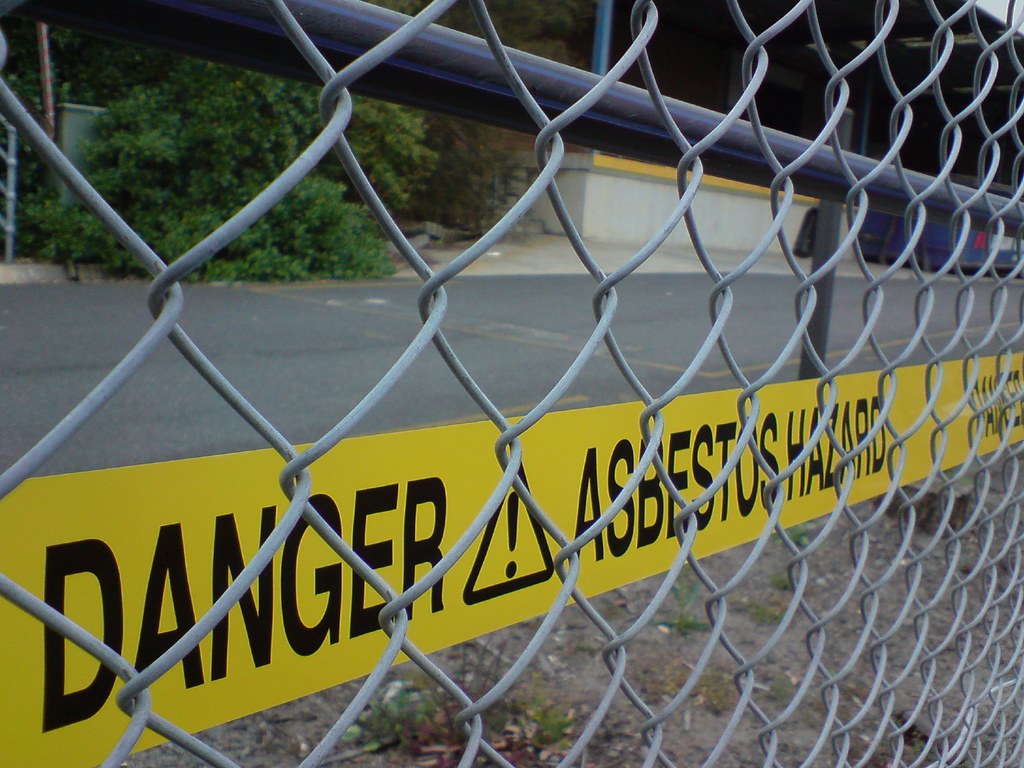
As an employer, your top priorities include maintaining a safe work environment, complying with legal obligations, and protecting your team from harm. While many workplace hazards are well-known, one risk continues to be underestimated or misunderstood, asbestos exposure.
Despite being banned in many countries, asbestos is still present in countless buildings and materials, particularly those built before the 2000s. Without proper awareness and training, employees may unknowingly disturb asbestos-containing materials (ACMs), exposing themselves and others to serious health risks. Boss Training offer a UKATA asbestos awareness course online as well as in-person asbestos awareness training to keep you and your employees safe.
What Is Asbestos?
Asbestos is a group of naturally occurring fibrous minerals that were widely used in construction and manufacturing due to their strength, heat resistance, and insulating properties. Common uses included pipe insulation, roofing materials, floor tiles, cement products, and sprayed coatings.
While effective in construction, asbestos has a deadly downside. When disturbed, it releases microscopic fibers that can be inhaled, leading to serious illnesses, including:
- Mesothelioma (a rare, aggressive cancer)
- Asbestosis (a chronic lung condition)
- Lung cancer
These diseases often take decades to develop, but by then, it’s too late.
Why Employers Must Take Action
1. Legal Responsibility
In the UK, employers are legally required to ensure workers who may come into contact with asbestos receive proper training, under the Control of Asbestos Regulations 2012. Failure to provide training can lead to serious fines or prosecution.
2. Protection for Employees and the Public
Workers such as construction crews, maintenance staff, electricians, plumbers, and decorators are at the highest risk. But the consequences of exposure go beyond the individual. Asbestos dust can be carried home on clothing, putting families at risk, or circulate in a building, affecting the general public.
3. Prevention Is Better Than Cure
There is no known cure for asbestos-related diseases. The only effective strategy is prevention through education.
Asbestos Awareness Training equips employees to:
- Recognise potential asbestos-containing materials
- Understand the risks of disturbing asbestos
- Follow safe working practices
- Know when to stop work and seek expert help
4. Reduce Liability and Downtime
Workplace incidents involving asbestos can lead to:
- Investigations and legal action
- Work stoppages
- Clean-up costs
- Reputational damage
Training reduces these risks by ensuring workers know how to handle situations correctly, reducing the likelihood of accidental exposure or regulatory breaches.
5. Boost Health & Safety Culture
Providing training isn’t just about ticking a box. It shows your commitment to a culture of health and safety, where workers feel valued and protected. This, in turn, improves morale, engagement, and retention.
Who Needs Asbestos Awareness Training?
Asbestos Awareness Training is essential for:
- Construction workers
- Demolition crews
- Maintenance and repair staff
- Electricians, plumbers, HVAC technicians
- Architects and surveyors
- Site managers and supervisors
Even those not directly handling asbestos need to be aware of its presence and the risks involved. Asbestos Awareness Training is a small investment that brings massive returns, in safety, compliance, and peace of mind. As an employer, it’s your duty to protect your workers, your business, and the public.