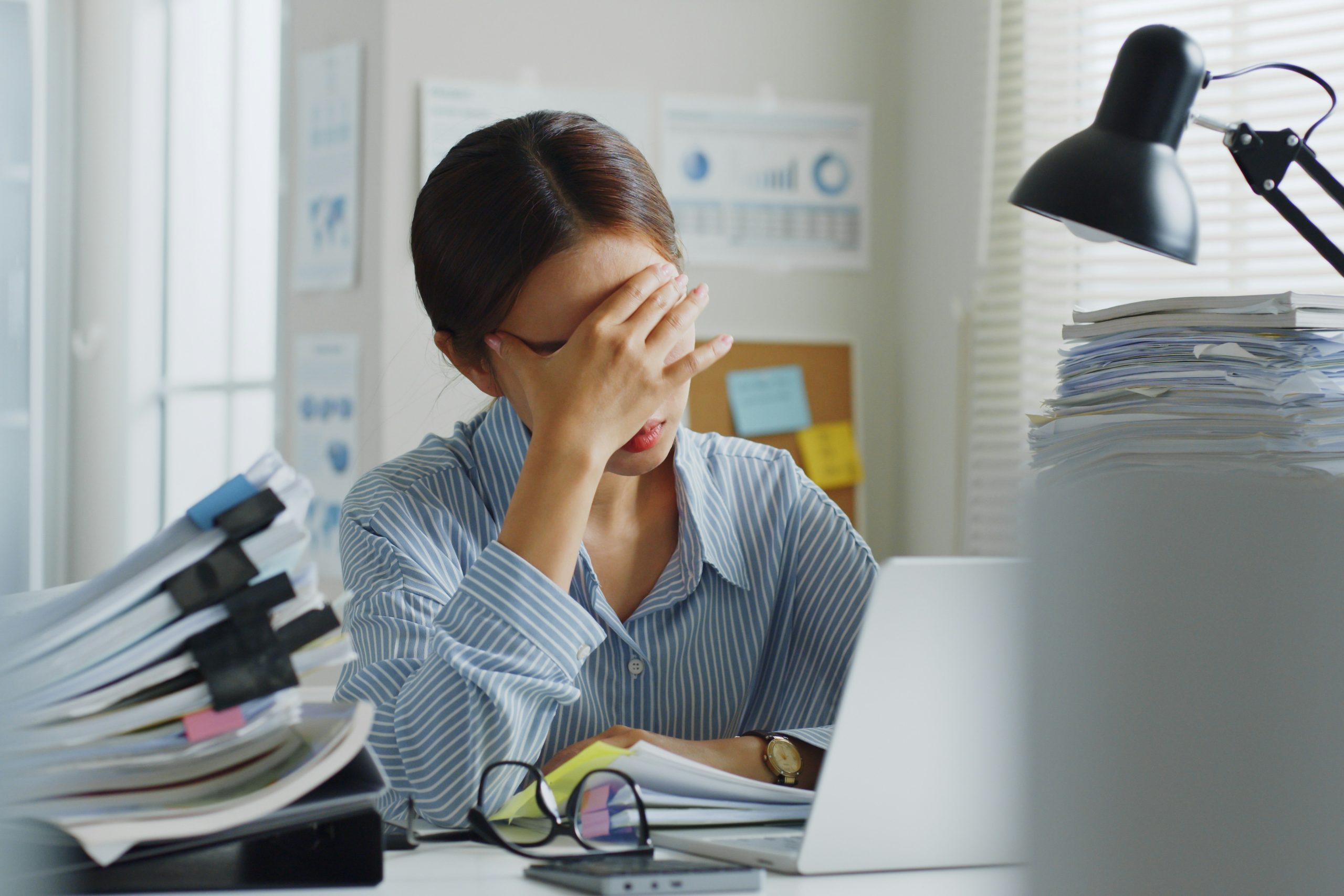
Half (50%) of workers now check work messages while on holiday, while 55% do so within minutes of waking up, according to new research from HiBob, the HR platform transforming how organisations operate in the modern world of work and helping businesses adapt in the age of AI. The findings come as more than two in five workers (42%) actively consider leaving their job due to workplace pressure, with a further 11% already searching for a new role.
The study suggests an ‘always-on’ culture is increasingly becoming the norm. Most workers (58%) say pressure in their role has increased compared to two years ago, while nearly half (49%) feel expected to always be available. More than a third (36%) regularly work late, and 37% say they would accept lower pay in exchange for a less stressful job.
Work is increasingly spilling into personal life
The research suggests workers are finding it harder than ever to properly switch off. More than a quarter (27%) say failing to respond to messages outside working hours would harm their career, while nearly half (49%) feel there is an expectation to always be available for work.
As a result, work is increasingly spilling into moments traditionally associated with personal time and recovery. More than two in five (42%) admit checking work messages in the middle of conversations, while 41% do so in the bathroom and 29% while on a date. Almost half (47%) say there is no longer a clear quiet period at work, while over half (51%) say they now have less time to recover between busy periods than they used to.
The impact is increasingly affecting workers’ long-term wellbeing. Nearly half (47%) say they feel mentally exhausted at the end of most working days, while 41% say work negatively affects their ability to sleep. A third (33%) believe their current job is unsustainable long term.
Managers feel caught between performance and wellbeing
Managers are also increasingly struggling to navigate rising workplace pressure. More than three quarters (76%) say pressure on their team has increased compared to two years ago, while 72% feel pressure from senior leadership to maintain high performance. More than half (54%) say they struggle to balance performance expectations with employee wellbeing.
The findings suggest managers are increasingly absorbing pressure. More than a third (36%) say they have personally taken on extra work to reduce pressure on their teams, while 87% feel responsible for protecting employees from excessive workplace pressure. Despite their best efforts, many managers say they feel underprepared and out of their depth (51%) dealing with the scale of these challenges. More than two thirds (68%) saying they would benefit from clearer guidance on managing high-performing teams in today’s working environment.
Toby Hough, VP, People & Culture, EMEA adds, “We’re seeing a structural shift in how work happens – potentially the biggest since the pandemic. Many workers no longer feel there is a natural point where pressure eases or where they can properly switch off, while managers increasingly find themselves balancing rising performance expectations with protecting employee wellbeing. Left unaddressed, this shift poses a significant long-term risk to businesses.
“Companies therefore need to recognise that people-first cultures are performance-first cultures. Sustainable high performance cannot exist without the right support, recovery and trust within teams. Businesses now need to equip managers with the training, guidance and tools needed to lead through this new era of constant pressure and help teams perform consistently over time.”
HiBob supports organisations in building healthier, higher-performing workplace cultures through Bob, its modern HR platform designed to help businesses better manage people, performance and engagement in today’s evolving world of work.