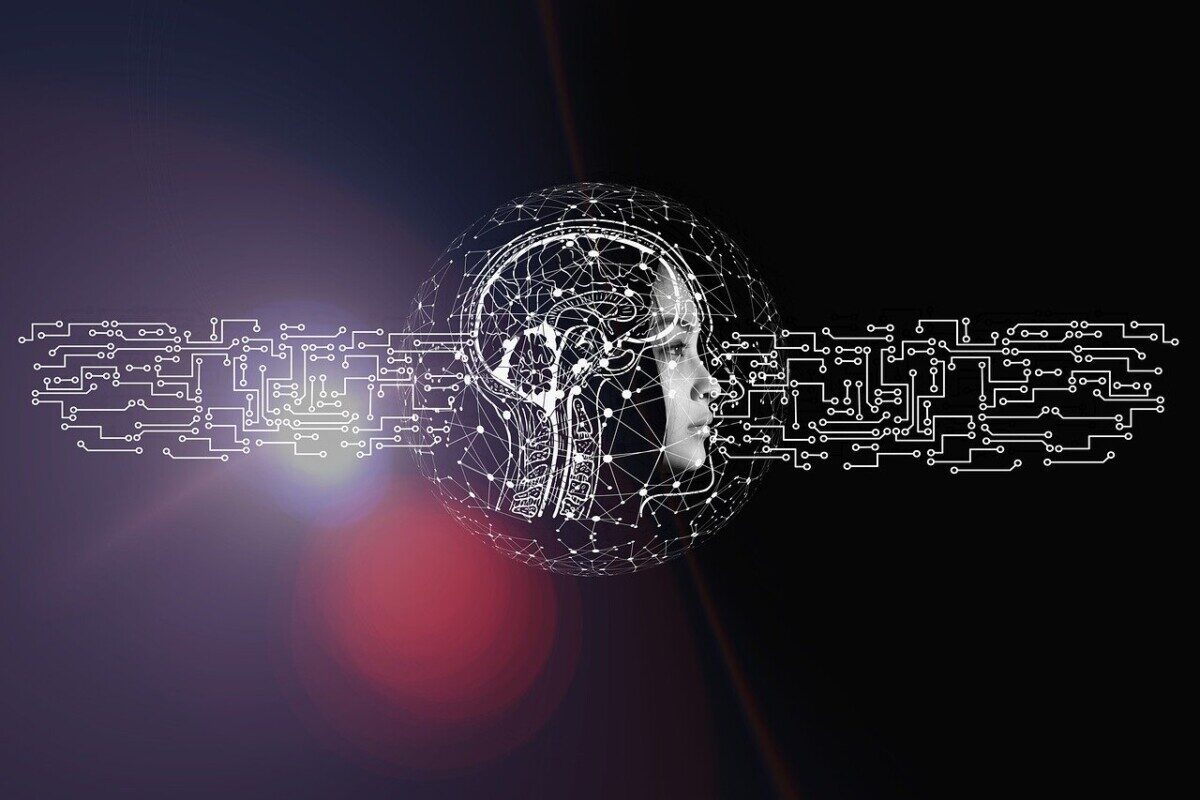
The rapid expansion of artificial intelligence (AI) is transforming industries, redefining job markets, and reshaping global economies in 2026. Governments, businesses, and technology companies across the world are accelerating investments in AI technologies to improve productivity, automate processes, and develop new digital services. Experts say the current wave of AI innovation could become one of the most significant technological shifts since the rise of the internet.
Growing Global Investment in Artificial Intelligence
Over the past few years, global spending on artificial intelligence has grown dramatically. Major technology companies and startups are competing to develop more powerful AI tools capable of performing complex tasks such as data analysis, content generation, language translation, and advanced automation.
Businesses in sectors including healthcare, finance, manufacturing, retail, and transportation are integrating AI into their daily operations. From automated customer service systems to predictive analytics that help companies forecast market trends, AI-driven solutions are becoming essential for maintaining competitiveness in a digital economy.
Artificial intelligence is transforming employment by creating new job opportunities and improving productivity. AI helps businesses automate repetitive tasks, allowing workers to focus on creative and strategic work. It also supports job matching, skills training, and career development through smart tools. While some roles change, AI encourages new industries and helps people adapt to the evolving job market.
According to industry analysts, global AI investments are expected to reach hundreds of billions of dollars annually by the end of the decade. Governments are also launching national AI strategies to support innovation, attract tech investment, and prepare workforces for the changing job landscape.
Impact of AI on the Global Job Market
One of the most debated topics surrounding artificial intelligence is its impact on employment. While AI technology can automate repetitive tasks and improve efficiency, it has also raised concerns about potential job displacement in several industries.
Jobs involving routine administrative tasks, data entry, and basic customer support are increasingly being automated through AI systems. Many companies are adopting intelligent software to reduce operational costs and increase productivity.
However, experts argue that AI is also creating new employment opportunities. Demand is rising for professionals in fields such as AI development, machine learning engineering, cybersecurity, data science, and digital infrastructure management.
Economists suggest that the future workforce will require stronger digital skills and continuous training. Workers who adapt to emerging technologies and develop advanced technical knowledge are expected to benefit from the AI-driven economy.
Businesses Accelerating Digital Transformation
Companies around the world are rapidly adopting AI to improve operational efficiency and enhance customer experiences. Retail companies, for example, are using AI-powered systems to analyse consumer behaviour and personalize product recommendations.
In the healthcare sector, AI is helping doctors analyse medical data, detect diseases earlier, and improve patient care. Financial institutions are using AI to detect fraud, automate customer interactions, and analyse investment trends.
Manufacturing companies are also using AI-driven automation and robotics to optimize production lines and reduce operational risks. These technologies allow factories to operate with greater precision, improve safety, and minimize downtime.
Online casino employment has grown rapidly with the expansion of digital gaming platforms. Jobs in this industry include software developers, live chat support agents, game designers, fraud analysts, and digital marketing specialists along with using AI. Many online casinos also hire live dealers who stream games to players in real time. Employees often work remotely and require strong technical, communication, and customer service skills. The sector offers flexible work opportunities and global collaboration, but it also requires strict compliance with online gambling regulations and responsible gaming policies.
Industry leaders say that businesses that fail to adopt digital technologies may struggle to compete in the rapidly evolving global market.
Governments Developing AI Regulations
As AI technology expands rapidly, governments are increasingly focusing on regulation and ethical oversight. Policymakers are working to develop frameworks that encourage innovation while ensuring that AI systems are safe, transparent, and accountable.
Concerns about data privacy, algorithmic bias, and misinformation generated by AI systems have prompted lawmakers to explore new regulatory approaches. Experts warn that without clear guidelines, AI technologies could potentially be misused or lead to unintended consequences.
Several countries are also investing in AI research centres and education programs to strengthen their technological capabilities. By promoting responsible AI development, governments aim to balance economic growth with public safety and ethical standards.
Artificial Intelligence and the Global Economy
Artificial intelligence is becoming a key driver of economic growth in many countries. Analysts believe AI could contribute trillions of dollars to the global economy over the next decade by increasing productivity and enabling new industries.
Technology-driven innovation is particularly important for developing economies that are seeking to expand their digital infrastructure and attract foreign investment. Countries that successfully build strong technology ecosystems may gain a competitive advantage in the global market.
Digital transformation is also accelerating the growth of online services, e-commerce platforms, and cloud computing technologies. As internet access expands worldwide, AI-powered tools are expected to play a central role in shaping the future digital economy.
Education and Skills for the AI Era
Educational institutions are adapting their programs to prepare students for a technology-driven future. Universities and training centres are introducing new courses focused on artificial intelligence, data science, robotics, and digital engineering.
Experts emphasize the importance of lifelong learning as technology continues to evolve. Workers in traditional industries may need to acquire new skills to remain competitive in the labour market.
Many governments and private organizations are launching reskilling initiatives to help workers transition into technology-focused roles. These programs aim to reduce the risk of unemployment caused by automation while supporting economic growth.
Challenges and Ethical Concerns
Despite its many advantages, artificial intelligence also presents several challenges. Critics warn that overreliance on automated systems could lead to job inequality, data security risks, and ethical dilemmas.
There are also concerns about the potential misuse of AI technologies in areas such as surveillance, misinformation campaigns, and cybercrime. Experts believe that strong governance, transparency, and global cooperation will be necessary to manage these risks.
Researchers are increasingly focusing on developing “responsible AI” systems that prioritize fairness, accountability, and human oversight. The goal is to ensure that AI technologies benefit society while minimizing potential harm.
The Future of Artificial Intelligence
As AI technology continues to evolve, experts predict that its influence will expand across nearly every aspect of modern life. From smart cities and autonomous transportation to advanced medical research and climate monitoring, AI could play a major role in solving complex global challenges.
While the transition toward an AI-driven economy may present challenges, it also offers significant opportunities for innovation, economic development, and improved quality of life.
Industry leaders, policymakers, and educators agree that collaboration will be essential to ensure that artificial intelligence is developed responsibly and used to create a more sustainable and inclusive future.
As 2026 progresses, the global AI revolution shows no signs of slowing down, making it one of the most important technological transformations of the modern era.