As more companies are issuing a ‘back to work’ mandate, insisting that their hybrid working staff return to the office more regularly, it may be worth checking whether it will deliver the productivity improvements companies are hoping for.
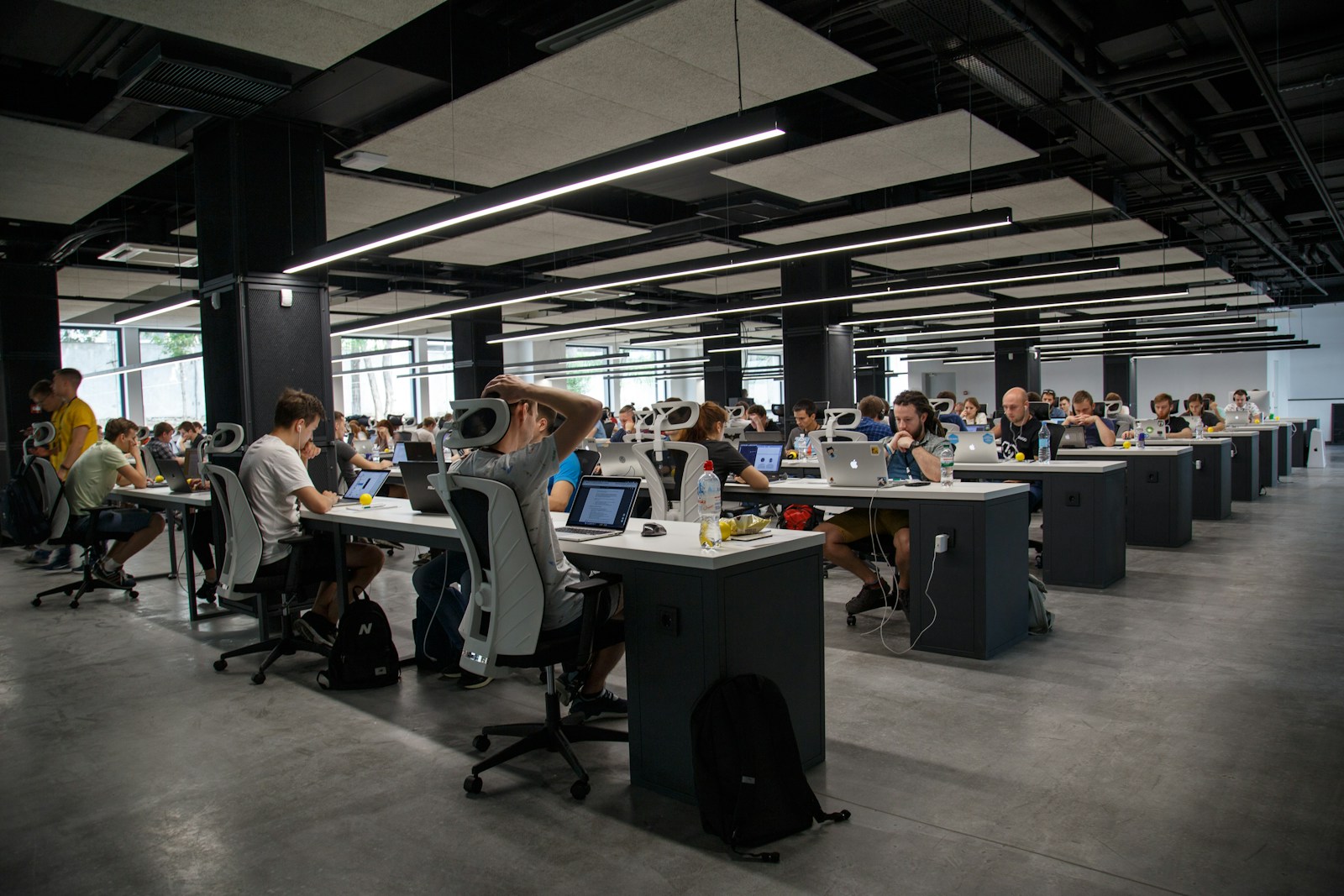
Offices across the country are becoming more crowded. Many companies downsized their real estate during COVID – and are now bringing employees back on-site. The result, say experts, is likely to be packed desks, noisy environments, and rising frustration as tight spaces can lead to distraction, disengagement, and hidden costs.
Experts are now warning employers that bringing everyone back to the office needs careful planning – and if businesses don’t address overcrowding, they risk higher turnover, burnout, and declining productivity.
Research on crowding has found that crowding has detrimental effects on human psychology, behaviour, and physical health. It has also been shown to cause negative evaluations of the environment, psychological distress, and aggression has also been shown to affect task performance.
That tension is where Abigail Wright, workplace strategy expert at ChamberofCommerce.org, weighs in.
According to Wright, “Crowding is not just about physical discomfort. It chips away at morale, undermines focus, and leaves workers feeling undervalued. When people feel like they’re just one more body in a packed office, engagement drops, and that’s a hidden cost businesses cannot afford.”
The Risks of a Crowded Workplace
- Productivity losses from constant noise and interruptions
- Higher stress levels are linked to health issues like migraines and hypertension
- Increased turnover as employees seek flexible or remote roles
- Damage to company culture and collaboration
How Businesses Can Ease Crowding
- Stagger schedules. Hybrid shifts can reduce daily headcount.
- Redesign spaces and create quiet zones or phone booths for focused work.
- Use booking systems. Desk reservation apps prevent overuse of limited space.
- Encourage flexible work. Remote or hybrid options relieve pressure on office density.
- Listen to the staff. Regular surveys reveal morale before issues boil over.
“Ultimately, managing a crowded workplace is about protecting your people. Businesses that act now will not only retain their workforce but also set themselves apart as adaptive, employee-centred employers. In today’s competitive labour market, that is the edge companies need.” Wright concluded.