Hiring the right talent is one of the essential parts of running a business. Unfortunately, it’s also one of the most difficult.
With so much competition for top-notch employees, finding someone who fits your company culture and can do the job well can be challenging. You may even find yourself in a situation where you need to hire someone quickly to avoid losing clients or customers. But how do you know if they’re a good fit?
One way is to use talent assessment tools which provide assessments explicitly designed for your industry and position type. These tests will help you evaluate essential skills like communication and problem-solving ability, often required for roles such as sales representatives or customer service specialists.
Employers, have you been successful in hiring the right kind of talent?
It is not just about filling up the job vacancies. It is about hiring the right talent. You need to ensure that the person you hire is capable of doing the job, has the right attitude and fits well with your existing team.
This is where Assessment comes into play.
Assessment helps you gather information about a candidate’s skills and knowledge, personality type, communication style and behavioural patterns. This information enables you to assess whether a candidate can perform well in your organization.
The assessment process should begin before you even meet with candidates for an interview. This helps ensure that only suitable candidates are invited for interviews to save time and money.
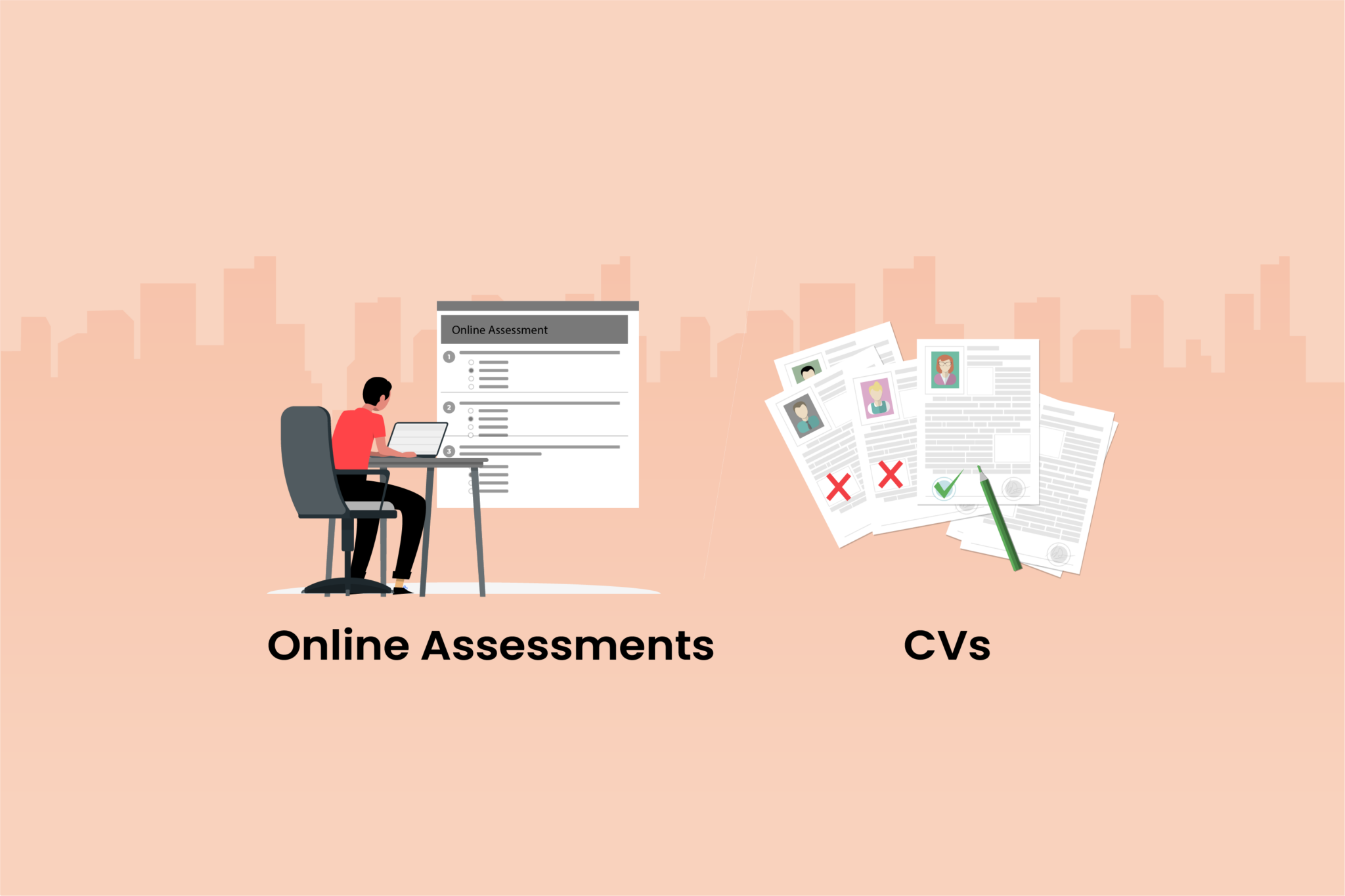
Hiring managers should not rely solely on resumes and intuition in hiring the right talent. Here’s why we need assessments.
1. Build a highly skilled team
To build a highly skilled team, you need to be able to assess candidates’ skills and knowledge. Assessments can help you determine if a candidate has the relevant qualifications for the position and their ability to perform well in your organization.
Many different assessments are available, including psychometric tests, situational judgement tests and reference checks. Each one of these assessments is designed for a specific purpose. For example, psychometric tests can help you assess whether a candidate has the right skills and knowledge for the role. They also let employers know how well they will fit into your company’s culture.
Situational judgement tests gauge how well someone will perform in specific situations they may encounter at work. These tests can help employers make more informed hiring decisions by giving them an insight into what makes an employee successful in certain situations or scenarios.
2. Remove unconscious bias in your recruitment process
Many employers are still unaware of their unconscious biases. These are unconscious thoughts or judgments we make about people based on their race, gender, age or disability. Unconscious bias can be harmful when it comes to recruitment and hiring decisions because it means you’re more likely to hire candidates who fit your expectations rather than those who will perform well in the role.
Assessments allow recruiters to evaluate candidates based on their skills, abilities and personality rather than their gender, ethnicity or race. When employers use reviews instead of relying on intuition alone, they can eliminate unconscious biases from their hiring process, resulting in more diverse teams that bring new perspectives to the table.
3. Reduce hiring costs and increase productivity time
Assessments can save you money in a variety of ways. For example, when employers use reviews to identify candidates with the most relevant skills for each role, they’re able to reduce training costs because new employees are already familiar with the company’s values and culture. Assessments also allow you to place more candidates in jobs than if you were relying on intuition alone—which means that your organization will have more people working productively from day one.
You can use Testlify to create your own customized assessments. You can also use the platform to provide candidates with an examination relevant to their job requirements. This is a great way to reduce hiring costs and increase productivity time.
4. Onboard your new hire in your location or remotely
Many companies spend a lot of money on new hires and then lose them because they’re not adequately onboarded. Onboarding is orienting new employees to their new roles and helping them get up to speed quickly so they can be productive right away. It’s essential to set clear expectations, give your new hires a chance to learn about the company culture, introduce them around, and answer any questions they may have.
As per a report, 69% of employees are more likely to stay with a company for three years if they experience great onboarding.
Your approach to this will depend on whether you are bringing the candidate in-house or working with them remotely.
Local onboarding
If you have hired someone working in-office with your team, ensuring they are a good fit for the role and your company culture is essential. This can be done by having them come into the office for at least a few days before making any decisions about their employment status. This allows you to get a feel for how they will fit in with your team and vice versa. You can also ask them questions about their past experience and see how they respond so that you can get a sense of whether they are honest and trustworthy.
Remote onboarding
If you have decided to hire someone who will be working remotely, it may still be necessary to assess before making any commitments. This can help ensure they can do the job well without direct supervision from others in your company. It also helps provide insight into what kind of expectations should be placed on them in terms of work ethic, communication and other factors.
5. To improve retention rates, you hire only those who are fit for the job for long-term career growth.
Reduce employee turnover rates by identifying potential problems with new hires before they start working with you. This helps avoid costly turnover costs like replacing lost productivity from training new hires and developing replacements for them.
Increase productivity by hiring people who can hit the ground running — those who have already been assessed for competencies that match your business needs. There are chances that employees chosen through an assessment process outperformed their peers within six months of joining their new companies!
Takeaway
Hiring professionals is an important decision which needs to be taken seriously. After all, you are hiring someone who will contribute greatly to your company’s success or failure. This is why having the right talent assessment solutions are vital for your hiring needs. Visit our website today to learn more about the benefits that Testlify can offer!