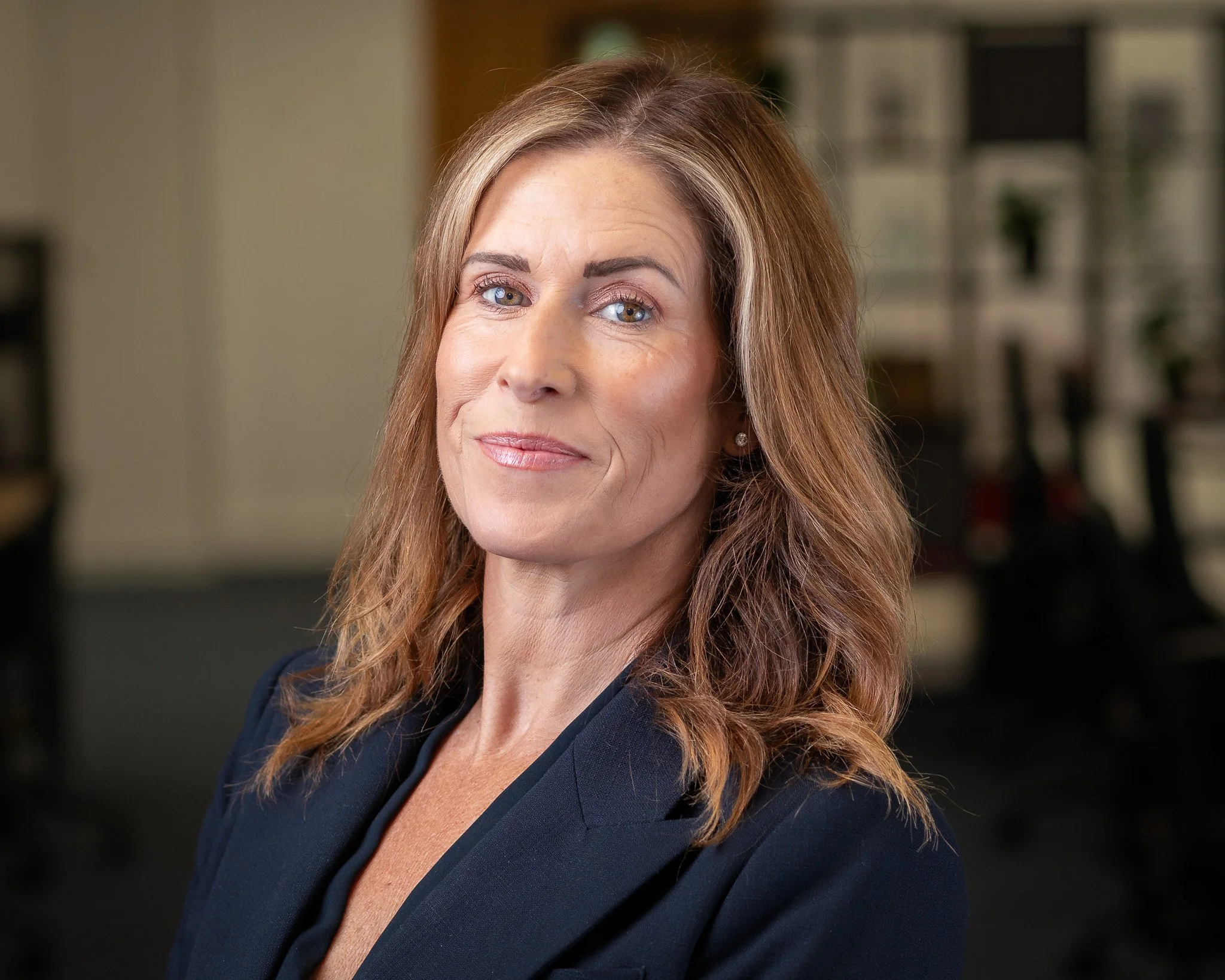
Written by Louise Austin, Client Relationship Director, POD Management
Property management is a demanding profession. Behind the buildings and developments that property management companies oversee are people balancing competing priorities, high customer expectations, regulatory responsibilities and, at times, emotionally challenging situations.
However, with so much focus on the buildings themselves, is enough attention being paid to the people responsible for managing them? The Property Institute’s 2026 Wellbeing & Resilience Survey highlights the scale of the challenge. 63% of respondents said they believe their mental health is at risk from work, while 45% said they are leaving the profession or are unsure whether they will stay. Average workload pressure has also reached its highest level in six years.
These figures raise an important question for the sector: should employee wellbeing be viewed as more than an HR initiative, and instead as part of the wider resilience of a property management business?
Wellbeing cannot be ‘one size fits all’
One of the challenges is that there is no single definition of workplace wellbeing, particularly within a sector where employees can have very different experiences.
A property manager dealing with residents, contractors and urgent issues on a daily basis may face very different pressures to someone working in a central support function. Concierge teams, leadership and operational staff all have their own responsibilities and challenges.
This is something we have seen through POD Management’s Wellbeing Committee, which brings together colleagues from across the business. The committee meets quarterly to review initiatives, consider feedback and discuss how to promote a healthier working environment.
Having representatives from property management, concierge, support functions and leadership around the table is important because everyone’s experience of work is different. Bringing together people from different areas of the business helps us understand a broader range of challenges and ensures wellbeing initiatives are relevant to everyone, rather than being designed with just one group in mind.
These different voices around the table have reinforced an important lesson: wellbeing is not ‘one size fits all’. Understanding the different pressures people face makes it possible to take a more considered approach, rather than assuming that the same initiative will work for everyone.
Listening has to lead to action
Employee voice is another important part of the equation. Wellbeing can easily become a collection of policies, awareness days or occasional activities if organisations are not prepared to listen to what their people actually need.
Employee feedback helps shape activities, areas of focus and the way wellbeing support is communicated. An annual Employee Engagement & Wellbeing Survey also provides an opportunity for employees to share their experiences, with the findings used to inform areas such as flexible working, training and benefits.
That principle is applicable across the wider industry. Asking employees what they need is only the first step; organisations also need to demonstrate that they have listened and are prepared to act.
Wellbeing is more than a social calendar
There is certainly value in social activities and awareness campaigns. They can help people connect, open up conversations and create a sense of community, but they cannot be the whole wellbeing strategy. Not everyone enjoys the same activities, and a wellbeing approach that focuses primarily on events risks overlooking the underlying working environment.
Meaningful wellbeing is more closely connected to everyday working life: whether people feel supported, whether they can raise concerns, whether managers are equipped to have difficult conversations and whether organisations take preventative action rather than waiting until someone is already struggling.
For property management businesses, this also has a direct connection with resilience, retention and service delivery. One of my favourite quotes is from Richard Branson who said “Clients do not come first. Employees come first. If you take care of your employees, they will take care of your clients.” It’s true – when people feel supported and valued, they are better placed to manage the pressures of their roles and deliver a positive experience for customers.
A collective responsibility
The pressures facing property management are unlikely to disappear anytime soon. The legislative landscape has intensified the responsibilities placed on managing agents, while expectations from residents and customers continue to evolve. That makes the conversation around employee wellbeing increasingly important.
There is no single initiative that will solve the challenge. Instead, the sector needs to continue normalising conversations around wellbeing, investing in managers and considering how preventative support can become part of everyday working culture.
Ultimately, protecting the people behind the buildings is integral to delivering a good property management service. The challenge now is to make listening, support and preventative action part of everyday working life.