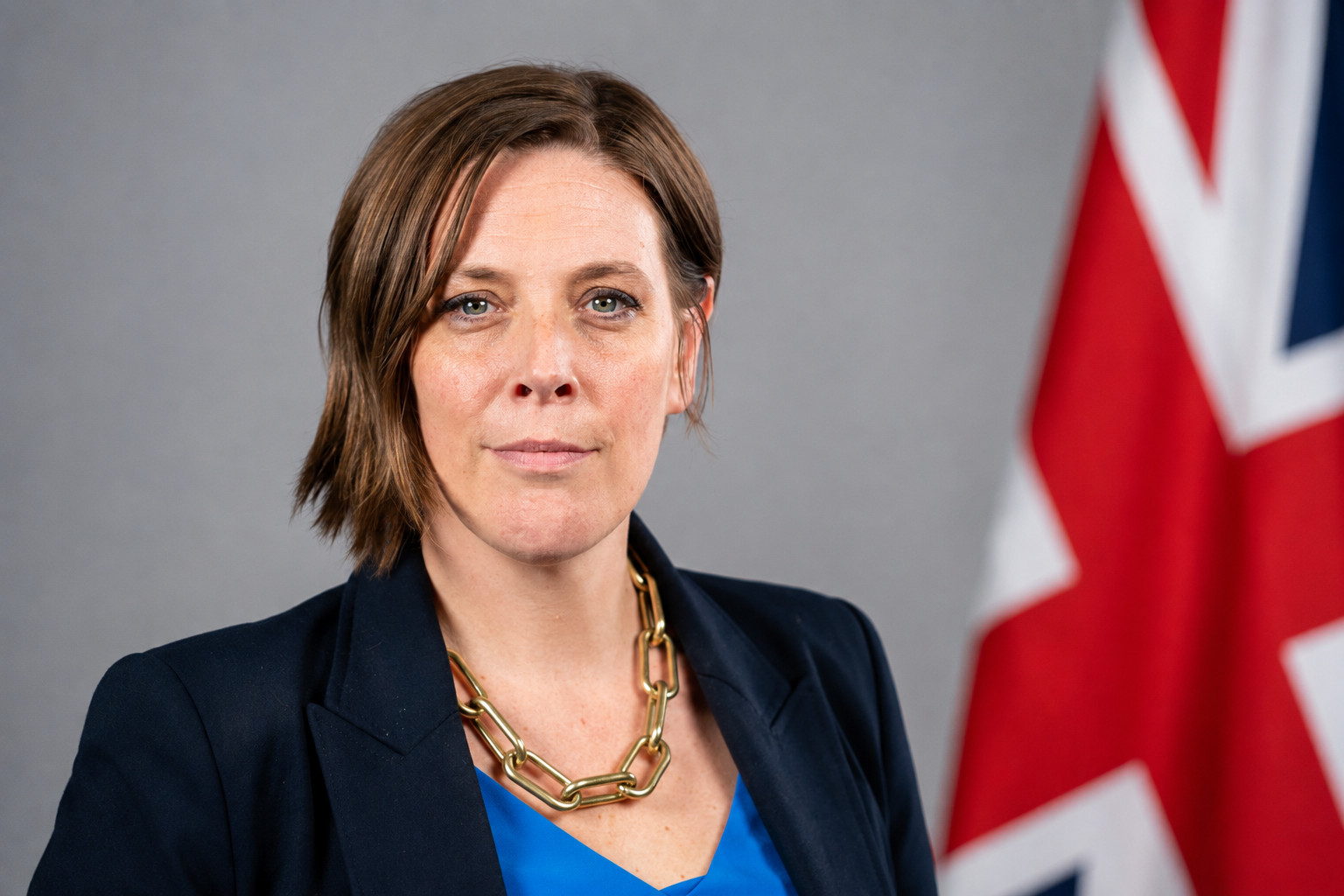
Former safeguarding minister Jess Phillips has admitted pretending to be ill to avoid facing questions from MPs over Peter Mandelson, prompting fresh political scrutiny while also raising wider questions about how organisations manage employees working under intense pressure.
Phillips revealed during an appearance at the Edinburgh Fringe that she called in sick rather than attend Home Office questions in Parliament because she felt unable to honestly defend the Government’s position on Mandelson, who was at the time serving as Britain’s ambassador to the United States.
Her comments reopen one of the more difficult episodes for the Government surrounding Mandelson’s appointment, but they also present an unusual workplace case study: what happens when a senior employee feels unable to carry out a key part of their role because doing so would conflict with what they personally believe?
For employers and HR professionals, the circumstances are obviously very different from those encountered in most workplaces. However, employment experts say the episode highlights broader issues surrounding psychological safety, absence management and the pressures faced by people occupying senior and highly visible positions.
Phillips Admits Avoiding Parliamentary Questions
Phillips made the admission while appearing at the Edinburgh Fringe Festival, where she discussed her experience in government and the controversy surrounding Mandelson.
According to The Telegraph, Phillips said she had been due to answer Home Office questions in Parliament at a point when Mandelson remained Britain’s US ambassador.
She chose instead to report herself sick because she believed MPs would question her about Mandelson and she did not feel she could honestly defend the Government’s position.
The revelation is politically significant because Mandelson’s appointment and subsequent departure became the subject of sustained parliamentary scrutiny.
Questions over the appointment ultimately extended beyond Mandelson himself to the Government’s handling of the process, what information was available and the scrutiny applied before he was given one of Britain’s most important diplomatic posts.
Phillips’ comments now provide another insight into the tensions that existed within government during the controversy — suggesting that at least one minister felt sufficiently uncomfortable with the official position that she preferred to avoid appearing before MPs rather than defend it.
But while the political ramifications are likely to attract the headlines, HR experts say the circumstances also illustrate what can happen when someone feels trapped between their professional responsibilities and their ability to speak openly.
‘If An Employee Feels They Can’t Be Honest, That Should Be A Warning Sign’
Alan Price, CEO at BrightHR, says Phillips’ admission carries lessons for employers far removed from Westminster.
He said:
“Jess Phillips’ comments highlight the scrutiny and pressure public-facing roles can place on individuals, and there are wider lessons for businesses too.
“If an employee feels they can’t be honest about their reason for an absence, that should be a warning sign. Especially if they feel like pulling a sickie is the only way to avoid work pressures. Misrepresenting the reason for absence doesn’t do anyone any good, especially when it’s caused by workload, stress, conflict, or a perceived inability to raise concerns openly. The best approach is to create a culture where employees feel able to speak up early, before pressure builds to the stage where absence becomes their only way out.
“While Parliament is definitely a unique workplace, the issue is one lots of employers will recognise: senior role pressure becomes hardest to bear when responsibility, visibility and personal risk aren’t properly supported. For employers, this is a reminder that staff wellbeing can’t be treated as an afterthought.
“When employees lack psychological safety and are concerned about how their role impacts their personal life, it can lead to stress, burnout and disengagement.
“Businesses should be prepared to help managers. Provide training to spot early signs of stress, give clear routes for employees to raise concerns, and regularly review whether workloads, expectations and support structures are realistic.
“When safety, harassment or abuse are a concern, employers must take reasonable steps to protect their staff. This can include carrying out risk assessments, having clear reporting processes and providing additional pastoral support, such as employee assistance programmes (EAPs).
“Employees in high-pressure roles need to know they can speak honestly about the impact of their work without it being seen as weakness.
“Of course, employees should stay home if they are genuinely ill. However, if you believe that an employee is pulling a sickie, or if your absence management programme highlights patterns of concern, then have a conversation to find out what is going on, addressing the situation with trust, empathy, and support, before considering appropriate action.
“Employers who take these conversations seriously are far better placed to retain experienced people while protecting their wellbeing long term.”
Political Loyalty Versus Personal Integrity
Phillips’ admission also raises an interesting issue around the expectations placed upon senior people to publicly represent an organisation’s position.
Government ministers operate under collective responsibility, meaning they are generally expected to support agreed Government policy publicly or resign from their position.
The corporate world has no precise equivalent, but senior executives, communications professionals and managers can face similar tensions when expected to communicate or defend decisions with which they personally disagree.
There is an important distinction between disagreeing with an organisational decision and being asked to do something improper. Nevertheless, organisations that leave senior employees feeling they cannot question decisions internally can create their own problems.
If people believe the only choices available are publicly defending something they fundamentally disagree with, remaining silent or avoiding the situation altogether, employers may find problems surfacing in other ways.
That can include disengagement, absence and ultimately resignation.
Should ‘Pulling A Sickie’ Lead To Disciplinary Action?
For employers, however, there remains another side to the issue.
Claiming to be ill when an employee is not genuinely sick can undermine trust and potentially become a disciplinary matter, depending on the circumstances and the organisation’s policies.
Employers therefore need to strike a balance between taking dishonesty seriously and establishing why the employee behaved that way in the first place.
Where managers suspect someone has deliberately misrepresented the reason for an absence, Price recommends beginning with a conversation rather than immediately assuming the motivation.
Patterns of short-term absence can sometimes point towards underlying difficulties including workload, workplace conflict, stress or concerns about particular responsibilities.
Return-to-work discussions and properly maintained absence records can help organisations identify those patterns.
Senior Employees Are Not Immune From Workplace Pressure
The political circumstances surrounding Phillips’ decision are unusual, but the episode also challenges the assumption that senior employees should simply be able to cope with greater pressure.
Senior roles can bring greater authority and remuneration, but they can also involve greater accountability, public scrutiny and personal exposure when something goes wrong.
For politicians, that scrutiny can be exceptionally intense. For business leaders it might come from shareholders, customers, employees, regulators or the media.
HR support therefore needs to extend upwards through an organisation rather than focusing exclusively on junior employees.
Senior managers should have confidential routes through which they can raise concerns, access appropriate wellbeing support and challenge unrealistic expectations.
A Political Controversy With A Workplace Lesson
Phillips’ comments will inevitably be viewed primarily through a political lens, particularly given the controversy that surrounded Mandelson’s appointment.
Her admission that she deliberately avoided parliamentary questioning because she could not honestly defend the Government’s position raises legitimate questions about ministerial responsibility and accountability to Parliament.
But it also demonstrates something employers may recognise in less dramatic circumstances.
When an employee believes absence is preferable to confronting a difficult professional situation, organisations should ask two questions: whether the employee acted appropriately, and what circumstances led them to believe avoiding work was their best option.
The first may ultimately become an absence or disciplinary issue.
The second could reveal considerably more about the organisation itself.
Further reading:
The Telegraph – Jess Phillips called in sick to dodge MPs’ questions on Mandelson
—
Image: Official portrait, 2024, edited by AI to fit site format