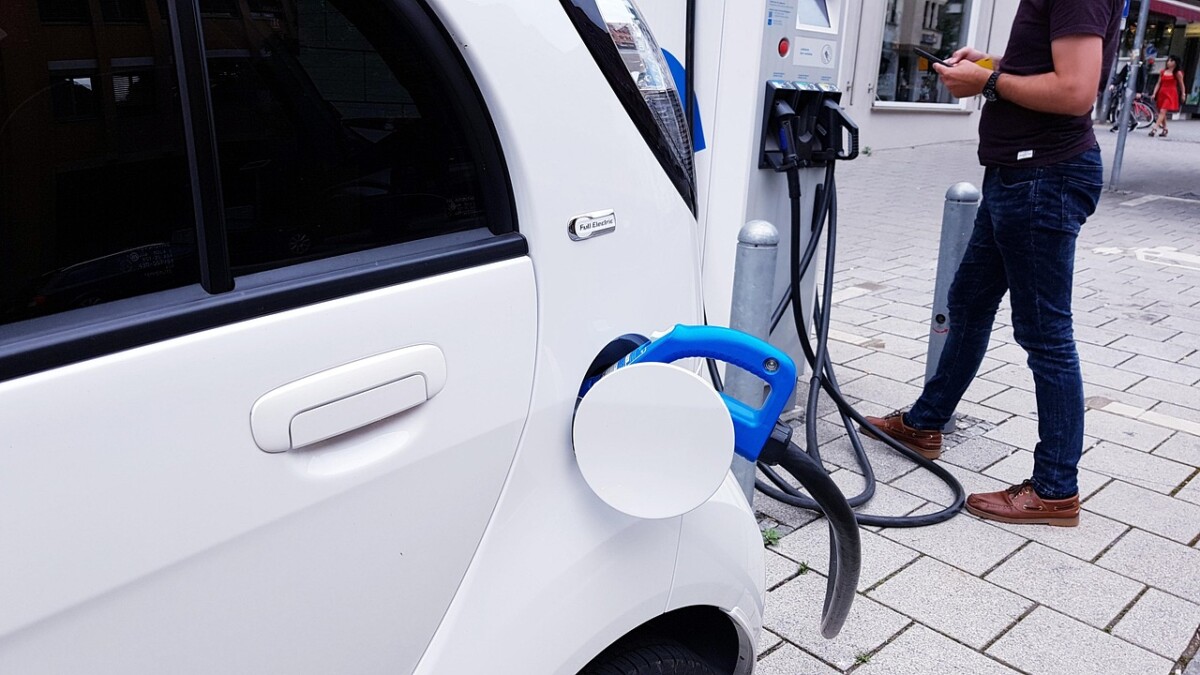
As electric vehicles become an increasingly common feature of company car schemes, employers are rethinking how they support staff who drive for work. One benefit is rising quickly up the agenda: low-cost EV charging at work.
For many employees, the availability of workplace charging can be the deciding factor when choosing an electric company car — and for employers, it is fast becoming a practical, cost-effective way to strengthen benefits packages while supporting sustainability goals.
The Changing Nature of the Company Car
Company cars have long been a valued employee benefit, particularly for roles involving travel, client visits or hybrid working patterns. In recent years, favourable tax treatment for electric vehicles has accelerated their adoption within salary sacrifice and company car schemes.
However, while EVs offer lower benefit-in-kind rates and reduced running costs, charging convenience remains a key concern for employees — especially those without access to a home charger.
This is where workplace EV charging solutions can make a significant difference.
Why Charging at Work Matters to Employees
For employees, charging at work offers reassurance, convenience and financial savings. Rather than relying on public chargers — which can be expensive, busy or poorly located — staff can top up their vehicle while they work, often at a lower and more predictable cost.
The benefits include:
- Lower charging costs compared with public rapid chargers
- Time savings, as charging fits naturally into the working day
- Reduced range anxiety, particularly for commuters or regional roles
- Improved access for employees without off-street parking at home
In practical terms, workplace charging can make the difference between an EV being a realistic option or an ongoing source of stress.
A Strong Retention and Recruitment Tool
From an employer perspective, low-cost EV charging is emerging as a highly attractive perk — particularly in competitive labour markets.
Younger employees and those actively seeking sustainable lifestyles increasingly expect employers to support greener choices. Offering workplace EV charging demonstrates that an organisation is forward-thinking, environmentally aware and attentive to employee needs.
Importantly, this benefit does not have to come at significant cost. Many businesses install smart charging systems that allow employees to pay for the electricity they use, ensuring the benefit is convenient without being a financial burden on the employer.
Supporting Hybrid and Flexible Working
As hybrid working becomes the norm, workplace charging also supports more flexible travel patterns. Employees who only commute part-time still benefit from a reliable charging option, while employers can manage usage through booking systems and smart access controls.
This flexibility makes EV charging a scalable benefit that adapts to different working arrangements — unlike some traditional perks that lose relevance outside the office.
Business EV Charging and Broader ESG Goals
Workplace charging also supports wider environmental, social and governance (ESG) objectives. Encouraging the uptake of electric company cars helps reduce emissions, improve local air quality and demonstrate measurable progress towards sustainability commitments.
For employees, this adds a sense of purpose to the benefit — reinforcing that their employer’s values align with their own.
Making Workplace Charging Work
Implementing business EV charging successfully requires planning around capacity, usage and future demand. Employers increasingly work with specialist providers to install and manage systems that are easy to use, fair and transparent for staff.
Companies such as Radius offer integrated solutions that help employers introduce EV charging in a way that supports both operational needs and employee experience, while providing the flexibility to grow as demand increases.
Looking Ahead
As electric vehicles become standard within company car schemes, access to affordable and reliable charging will be a defining factor in employee satisfaction.
For employers, offering low-cost EV charging at work is more than an environmental gesture — it is a practical, modern employee benefit that supports recruitment, retention and wellbeing in a rapidly changing workplace.