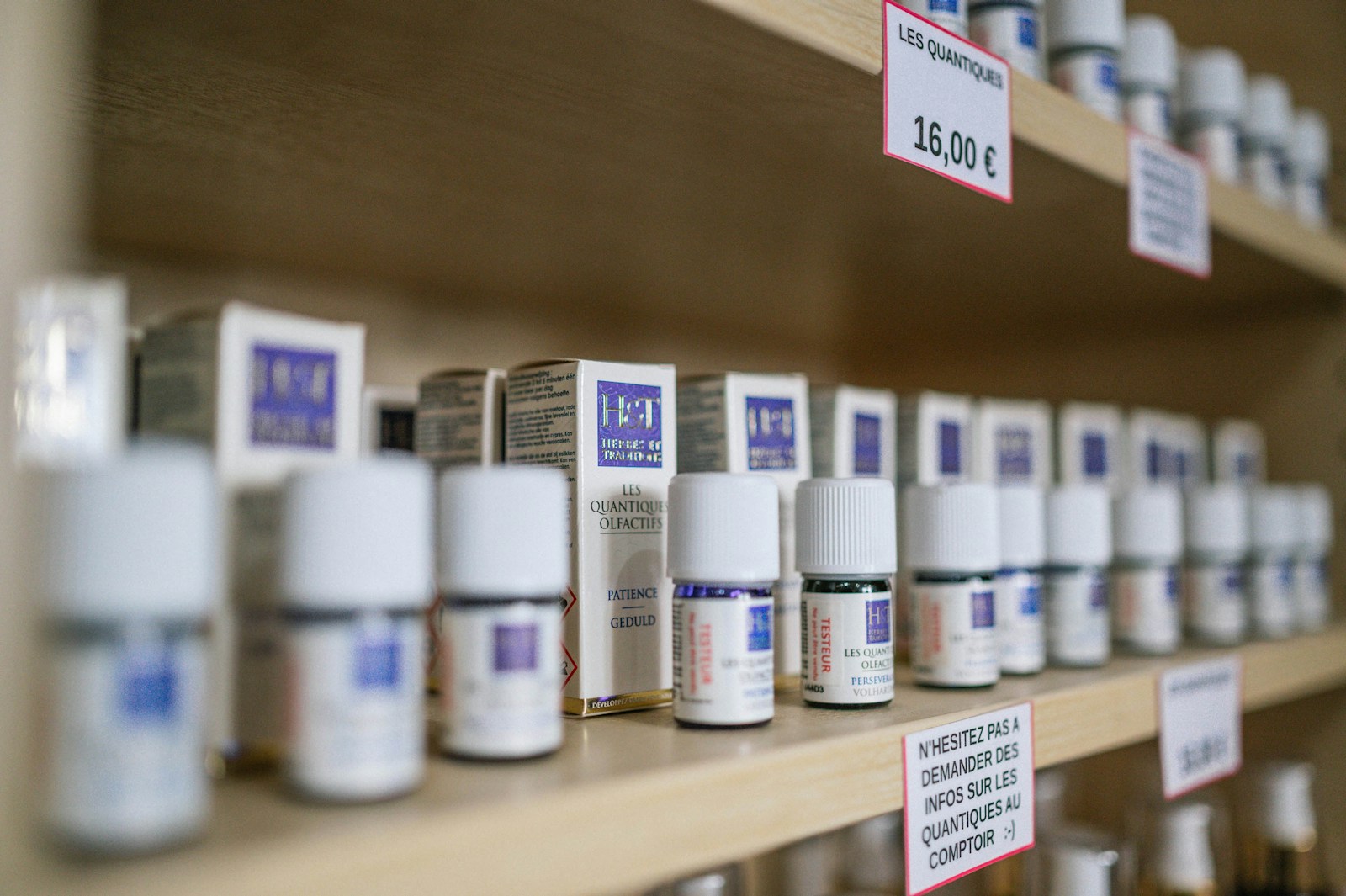
Pharmaceutical packaging is a vital component of the healthcare industry, serving as the bridge between innovative drug delivery and patient safety. While large enterprises dominate much of the pharmaceutical packaging industry, small businesses are increasingly finding opportunities within niche markets. These niches offer promising avenues for innovation, sustainability, and collaboration with pharmaceutical companies looking for specialised packaging solutions.
This article explores the growing opportunities for small businesses in pharmaceutical packaging, discussing common packaging types, their unique applications, and emerging trends shaping the future of the industry.
The Evolving Pharmaceutical Packaging Landscape
Pharmaceutical packaging is far more than a protective layer. It ensures the safety, efficacy, and accessibility of medications. With heightened regulations and demand for innovative packaging solutions, small businesses are in a prime position to offer the agility and creativity needed to meet these evolving industry needs.
From eco-conscious designs to functionality that enhances patient experience, the industry is rapidly moving towards specialised and tailored packaging solutions. This transition away from a “one-size-fits-all” approach provides small businesses with a unique opportunity to carve out their niche.
Types of Pharmaceutical Packaging and Potential Niches
Each type of pharmaceutical packaging plays a critical role in drug preservation, transportation, and usability. Understanding these packaging categories can uncover areas where small businesses can innovate.
1. Blister Packaging
Blister packaging is one of the most common formats used for tablets and capsules. It provides protection against environmental factors like moisture and contamination while making dosages user-friendly for patients. Small businesses can specialise in creating biodegradable or recyclable blister packs to cater to eco-conscious pharma companies.
Opportunity: Sustainable blister packs that comply with strict environmental and pharmaceutical regulations.
2. Dropper Bottles
Dropper bottles are frequently used for liquid medications, particularly eye drops, eardrops, and paediatric syrups. Innovations in ergonomics and precise dispensing mechanisms can greatly improve user experience.
Opportunity: Developing child-safe dropper bottles or reusable designs to meet sustainability goals.
3. Glass Bottles
Highly resistant to chemical reactions, glass bottles are ideal for sensitive formulations like vaccines and injectables. With the rise of biologics, demand for glass packaging is growing. Small businesses can explore anti-breakage coatings or advanced sterilisation services.
Opportunity: Customised glass bottles with enhanced durability and sterility.
4. Pre-Filled Syringes and Vials
Advanced drug delivery systems, such as pre-filled syringes, improve patient compliance and ease of use. However, they require precise and reliable packaging to prevent contamination and ensure proper dosage.
Opportunity: Partnering with pharmaceutical companies to design protective packaging for high-value biologics transported in pre-filled syringes.
5. Flexible Packaging
Flexible pouches and sachets are lightweight and cost-efficient, making them ideal for packaging powders, gels, or liquids. They also address concerns related to storage and transportation costs.
Opportunity: Introducing tamper-evident or child-resistant flexible packaging solutions.
The Role of Sustainability in Pharmaceutical Packaging
Sustainability is no longer optional – it’s becoming a regulatory requirement in many regions. With increasing pressure to minimise waste and carbon footprints, pharmaceutical companies are actively seeking packaging partners that prioritise eco-friendly materials and processes.
Small businesses can leverage this shift by innovating in areas such as:
- Biodegradable Materials: Creating packaging with plant-based polymers or other biodegradable substances.
- Recyclable Solutions: Developing coatings or laminations that ensure packaging is fully recyclable.
- Lightweight Designs: Reducing packaging weight to lower transportation emissions.
Aligning with the sustainability goals of pharmaceutical companies not only opens new markets for small businesses but also positions them as industry leaders in green innovation.
Emerging Trends for Small Businesses to Watch
Innovation is the driving force behind growth opportunities in the pharmaceutical packaging sector. By keeping an eye on emerging trends, small businesses can stay ahead of the curve and meet the evolving demands of pharmaceutical companies.
Digital Integration
Smart packaging, embedded with sensors or QR codes, enhances patient engagement and compliance by providing digital instructions and usage monitoring. Small businesses with expertise in tech can enter this niche by offering affordable smart packaging solutions.
Customised Patient-Centric Solutions
Personalised medicine is on the rise, with patients demanding tailored treatment options. Packaging solutions that cater to individual needs—such as custom labels or dosage instructions—are gaining traction.
Protective Measures for Innovative Therapies
With the rise of complex therapies like cell and gene treatments, packaging must address stricter temperature controls and shipping requirements. Small businesses can specialise in advanced containment solutions for high-value treatments.
Shift to Regional Supply Chains
The global pandemic highlighted vulnerabilities in international supply chains. Small, locally based businesses are in a position to become reliable packaging providers for regional pharmaceutical manufacturers, ensuring quick turnaround times and consistent availability.
What Lies Ahead in Pharmaceutical Packaging?
The future of pharmaceutical packaging is dynamic, offering a plethora of opportunities for small businesses to innovate and collaborate. From integrating digital functionality to prioritising eco-conscious designs, there is immense potential to contribute meaningfully to the industry while addressing key challenges.
By focusing on niche segments and leveraging their agility, small businesses can stand toe-to-toe with larger competitors and cement long-term partnerships with pharmaceutical companies.
Final Thoughts
Pharmaceutical packaging is no longer a mere protective measure; it is a sophisticated service combining innovation, sustainability, and functionality. Small businesses with the vision and resources to cater to these niches can significantly impact the industry.
By identifying untapped niches and positioning themselves as reliable, innovative partners, small businesses can harness the enormous potential that pharmaceutical packaging offers.
Image – Unsplash